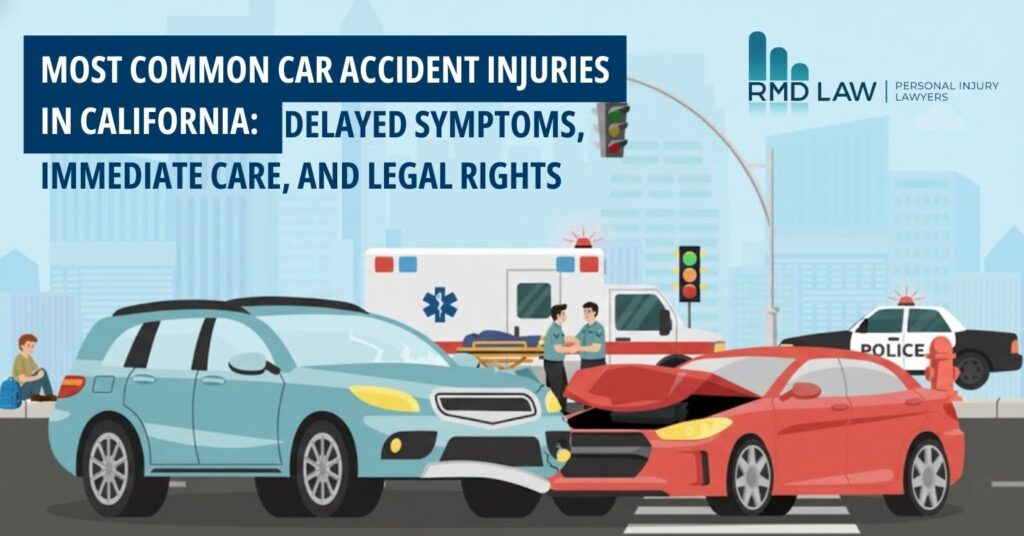
Car accidents occur every day on California roads, and even seemingly minor collisions can lead to serious health consequences. Many people walk away from a crash thinking they are unharmed, only to develop pain or other symptoms days or weeks later. Studies show that roughly 1 in 5 accident victims experience delayed injury symptoms instead of feeling them immediately. Shock and adrenaline can temporarily mask pain, making it easy to underestimate the severity of an accident. Delaying medical treatment can allow injuries to worsen and make it harder to prove they were caused by the crash.
Some of the most common car accident injuries include soft tissue neck sprains, like whiplash, back injuries, traumatic brain injuries, broken bones, and internal organ damage. Symptoms can appear immediately or may develop over time. Prompt diagnosis and treatment are critical for preventing long-term complications and supporting your personal injury claim.
Under California law, including Civil Code §§3333 and 3333.1 and Vehicle Code §1714, victims can recover compensation for medical expenses, lost wages, and pain and suffering caused by another driver’s negligence. Insurance companies often scrutinize claims where treatment was delayed, so documenting injuries early with a qualified medical professional is essential. Clear medical records and timely care strengthen your case and increase the likelihood of fair compensation.
After a collision, protecting your health and legal rights is crucial. Seek medical evaluation promptly, document your injuries, and consult an experienced California personal injury attorney. A skilled lawyer can guide you through the claims process, preserve key evidence, and help ensure you receive full compensation for your injuries and losses.
Even if your crash seems minor, serious injuries can occur at low impact speeds. Acting quickly to get medical attention and legal guidance is one of the best ways to safeguard your health and your right to compensation.
Key Takeaways
- Delayed Injuries After a Car Accident Are Common: Many car accident injuries are not immediately noticeable due to adrenaline and shock. Common delayed injury symptoms include whiplash, concussions, traumatic brain injuries, internal bleeding, and soft tissue damage. Medical research shows whiplash can occur in collisions at speeds as low as 5 to 10 mph. Recognizing delayed injuries is critical for protecting your health and preserving a California car accident injury claim.
- Immediate Medical Treatment Protects Your Health and Your Claim: Seeking medical attention immediately after a car accident is essential, even if symptoms seem minor. Prompt medical care allows physicians to identify hidden injuries and creates clear documentation linking the injuries to the crash. Insurance companies frequently argue that delayed treatment means injuries were not caused by the accident, which can significantly reduce compensation.
- California Personal Injury Law Allows Financial Recovery: Under California personal injury law, accident victims may recover compensation for medical bills, lost wages, and pain and suffering from the at fault driver. The value of a car accident claim depends on consistent medical treatment, detailed medical records, and evidence showing how the injuries affect daily activities and long term health. Incomplete treatment or missing documentation often leads to lower settlement offers.
- Documentation Is Critical in Car Accident Claims: Strong car accident claims rely on thorough documentation, including medical records, police reports, photographs of the crash scene, vehicle damage, and witness statements. Comprehensive evidence limits an insurance company’s ability to dispute liability, causation, or the severity of injuries and supports full compensation for economic and non economic damages.
- An Experienced California Personal Injury Attorney Makes a Difference: Insurance carriers are focused on minimizing payouts, not protecting injured victims. A California car accident attorney manages communications with insurers, preserves evidence, meets legal deadlines, and aggressively pursues maximum compensation. Experienced legal representation greatly increases the likelihood of recovering full damages for medical expenses, lost income, pain, suffering, and long term injuries.
Whiplash and Other Soft Tissue Injuries
Whiplash is one of the most common injuries in car accidents, particularly in rear-end collisions. It occurs when the neck is violently snapped back and forth, straining muscles, ligaments, and tendons in the cervical spine. This sudden motion can lead to neck sprains or strains, causing pain, stiffness, reduced range of motion, and headaches. Symptoms often do not appear immediately. Many victims feel fine at the scene but experience severe neck pain or stiffness hours or even days later. Because of this delayed onset, seeking prompt medical attention is critical. A physician can evaluate your neck, order imaging if necessary, and begin treatment such as rest, physical therapy, or supportive bracing. Early documentation also strengthens any personal injury claim.
Soft tissue injuries are not limited to the neck. Muscle strains, ligament sprains, and tendon injuries can affect the back, shoulders, or other areas depending on the direction and force of impact. Contusions, bruising, and swelling are also common. While some symptoms appear immediately, others may develop as adrenaline subsides. Even seemingly minor aches or soreness that appear a day or two after a collision can indicate significant soft tissue damage. Proper evaluation by a medical professional is essential to identify these injuries and begin timely treatment.
When to seek medical care: Always err on the side of caution after a crash. If you experience neck pain, back pain, or limited mobility, see a doctor promptly. Even if symptoms are not immediately noticeable, a precautionary check-up within a day or two is recommended because delayed symptoms can signal whiplash or other soft tissue injuries. Early treatment, including anti-inflammatory medication, ice or heat therapy, and physical therapy, can reduce recovery time, prevent long-term complications, and protect your ability to pursue compensation for medical expenses, lost wages, and pain and suffering. Untreated whiplash can result in chronic pain and long-term mobility issues, while prompt diagnosis and care significantly improve the likelihood of a full recovery and provide crucial documentation for legal claims.
Concussions and Traumatic Brain Injuries (TBI)
Car accidents are a leading cause of concussions, a type of mild traumatic brain injury. You do not need to strike your head on the steering wheel, window, or dashboard to sustain a concussion. The sudden force of a collision can cause the brain to move or twist inside the skull, resulting in injury. In higher-speed crashes, a direct impact to the head can also cause a concussion or a more severe TBI. Symptoms of a concussion can include headaches, dizziness, confusion, nausea, blurred vision, sensitivity to light, memory problems, and fatigue. These symptoms often do not appear immediately at the scene. It is common for concussion signs to emerge hours or even a day after the accident, once the initial shock wears off. A victim may feel only slightly dazed initially and underestimate the severity of their injury.
More serious brain injuries, including contusions (bruising of the brain) or intracranial hemorrhages (bleeding within the skull), can also result from car accidents. Severe TBIs are medical emergencies and may present with loss of consciousness, seizures, vomiting, slurred speech, or weakness on one side of the body. Even mild TBIs are significant and can lead to lasting symptoms if left untreated. Doctors typically perform a neurological examination and may order CT scans or MRI imaging when a brain injury is suspected. Concussion diagnoses often rely on observed symptoms, cognitive testing, and patient history, as imaging may appear normal even in confirmed cases.
When to seek medical care: Treat any potential head injury with urgency. If you struck your head or experienced a significant jolt, seek evaluation immediately. Red-flag symptoms that require emergency attention include loss of consciousness, worsening headaches, repeated vomiting, disorientation, difficulty waking, or neurological deficits such as limb weakness or speech difficulties. Even if symptoms are mild, a prompt medical evaluation within 24 hours is critical. Early diagnosis can guide proper recovery, which may include rest and limited cognitive activity, and reduce the risk of worsening the injury.
From a legal perspective, documenting a concussion promptly is essential. Insurance companies may minimize the severity of concussions or claim that symptoms are unrelated to the crash. Clear medical records showing immediate treatment strengthen a personal injury claim. In California, victims may recover compensation for both immediate and long-term effects of a TBI, including ongoing therapy, medical care, and rehabilitation, but these claims require thorough and timely medical evidence.
Back and Spinal Cord Injuries
Back injuries are a frequent outcome of car accidents and can range from mild muscle or ligament strains to serious spinal damage. The sudden impact of a collision can jolt the spine, sometimes causing herniated discs, where a spinal disc bulges or tears and presses on nearby nerves, or vertebral fractures. Lower back pain following a crash may indicate a muscular strain or disc injury. Symptoms can include pain radiating down the legs, stiffness, numbness, or tingling if nerves are affected. Similar to whiplash, some back injuries may not fully manifest immediately. Swelling around a damaged disc or muscle can take hours or days to develop, resulting in increasing pain after the accident.
High-speed collisions increase the risk of spinal cord injury. Compression or severing of the spinal cord can lead to severe outcomes, including paralysis or loss of sensation below the site of injury. A cervical spine injury could cause quadriplegia, while a lower back injury could result in paraplegia. Even partial spinal cord injuries or nerve impingement can have serious and lasting consequences. Warning signs of possible spinal cord damage include severe back or neck pain, weakness in the limbs, loss of sensation, or loss of bladder or bowel control immediately following the crash.
When to seek medical care: Any back or spinal pain after a collision should be evaluated by a medical professional. Numbness, tingling, weakness, or sharp spinal pain should be treated as an emergency. Call 911 or go to the emergency room immediately, as these may indicate spinal cord involvement. Even milder back pain should be assessed within a day or two. Medical professionals can perform physical examinations and order imaging studies, such as X-rays to check for fractures or MRIs to evaluate discs and soft tissue. Early treatment, including rest, medications, or physical therapy, can prevent a minor back injury from worsening.
Prompt medical evaluation also strengthens a personal injury claim. Back injuries often require ongoing care, including physical therapy or surgery, which can lead to significant medical expenses. Documenting treatment immediately following the crash helps establish a clear connection between the accident and your injuries. Under California law, accident victims are entitled to compensation for all necessary medical care and rehabilitation, including long-term treatment for spinal injuries, but proving this link is far easier when care begins soon after the collision.
Fractures and Broken Bones
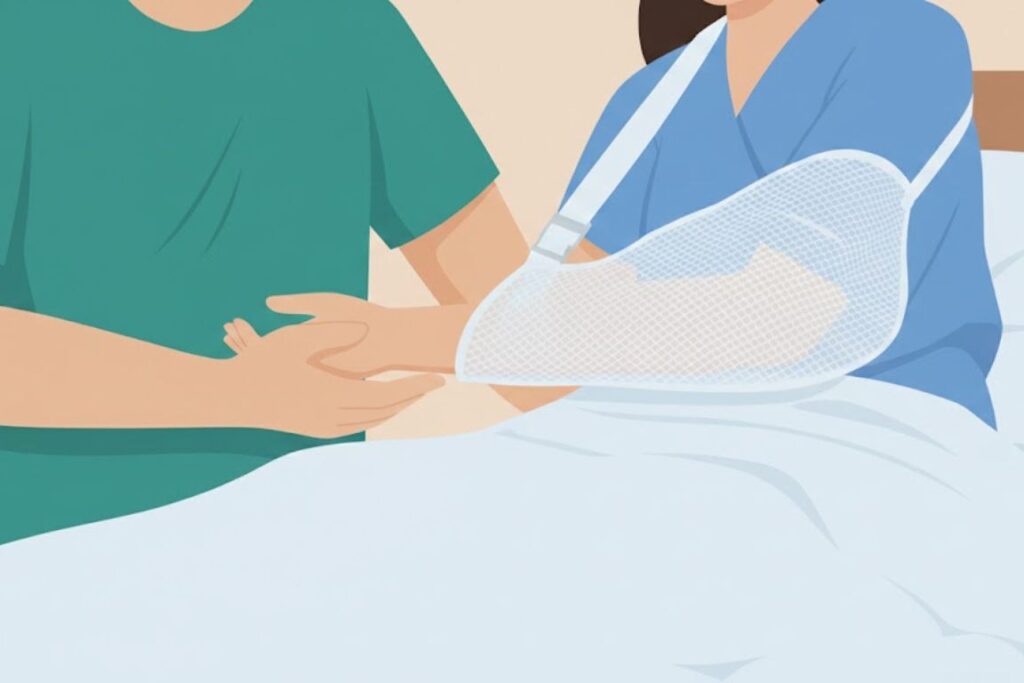
The force generated in a motor vehicle collision frequently results in broken bones. Car accidents commonly cause fractures to the arms, wrists, legs, ankles, collarbone, ribs, and pelvis due to sudden impact and crushing forces. For example, a driver or passenger may fracture an arm or wrist when bracing against the steering wheel or dashboard. Knee impact with the dashboard can lead to leg or ankle fractures, while collarbone and rib fractures often occur from seat belt restraint or airbag deployment. Rib fractures are particularly serious because they can lead to complications such as punctured lungs or internal bleeding.
In many cases, fractures are immediately apparent. Broken bones often cause intense pain, swelling, bruising, and visible deformity. However, some fractures, including hairline or stress fractures, may be overlooked in the immediate aftermath of a crash when pain is dismissed as general soreness. Diagnostic imaging such as X rays is typically required, and CT scans may be necessary for complex or multi bone fractures. Treatment varies depending on severity and may include casting, splinting, immobilization, or surgical intervention involving plates, screws, or pins. Recovery can take weeks or months and often requires physical therapy.
When to seek medical care: Immediate medical attention is critical if a fracture is suspected. Warning signs include severe pain, inability to move or bear weight on a limb, visible deformity, swelling, or a popping sensation at the time of impact. Broken bones should be stabilized as soon as possible to promote proper healing and prevent further damage. Even moderate limb pain should be evaluated with imaging, as many accident victims continue walking or using injured limbs without realizing a fracture is present, which can worsen the injury.
Prompt treatment is also essential from a legal standpoint. Fractures documented by diagnostic imaging provide clear and objective evidence of injury. Insurance companies closely examine when and how treatment was sought, and delays may be used to dispute causation. Immediate medical care helps establish that the accident directly caused the fracture and that the injury was not aggravated by delay. Under California law, accident victims may recover compensation for all medical expenses related to broken bones, including emergency care, surgery, rehabilitation, and follow up treatment. Victims may also pursue damages for pain and suffering, lost wages, and any temporary or permanent impairment resulting from the fracture.
Internal Injuries and Organ Damage
Internal injuries are among the most dangerous car accident injuries because they are not always visible right away. The force of a collision can damage internal organs such as the spleen, liver, kidneys, lungs, or intestines, or cause internal bleeding from torn blood vessels. Seat belts and steering wheel impact can transmit force to the chest or abdomen, leading to serious internal trauma even when there are no external wounds.
Symptoms of internal injuries may be delayed and can worsen over several hours. Warning signs include abdominal pain or tenderness, dizziness, fainting, nausea, vomiting, shortness of breath, headaches, or unusual bruising around the torso. Internal bleeding can progress gradually, making early evaluation critical.
When to seek medical care: Any suspicion of internal injury is a medical emergency. If you experience significant torso pain, difficulty breathing, lightheadedness, or blood in your urine or vomit, seek emergency care immediately. Doctors use imaging such as CT scans or ultrasounds to diagnose internal damage, which may require urgent treatment or surgery.
From a legal standpoint, internal injuries often lead to high medical costs and long term health issues. Prompt medical documentation is essential to link the injury to the accident and protect your right to compensation under California law, including recovery for medical expenses, lost income, and pain and suffering.
When Should You See a Doctor After a Car Accident?
You should see a doctor as soon as possible after a car accident, ideally the same day or within 24 to 72 hours. While California law does not require immediate medical treatment, prompt evaluation is critical for both your health and your personal injury claim.
Many common car accident injuries, including whiplash, concussions, and internal injuries, do not cause immediate symptoms. Pain, headaches, dizziness, or stiffness may appear hours or days later. A medical professional can identify early warning signs and diagnose injuries before they worsen. Early treatment often leads to better recovery and helps prevent serious complications.
From a legal standpoint, seeking medical care right away creates an official record linking your injuries to the accident. Insurance companies closely examine how quickly you sought treatment. Delays give insurers an opportunity to argue that your injuries were not serious or were caused by something else. Most insurance adjusters view treatment within 72 hours as reasonable. Waiting longer can lead to increased scrutiny or denial of your claim.
Prompt care also protects you under the duty to mitigate damages. If you delay treatment and your condition worsens, the insurance company may argue that some of your injuries are the result of your own inaction, which can reduce your compensation.
Even if you declined medical care at the scene, you should still see a doctor, urgent care provider, or emergency room as soon as possible afterward. If new or worsening symptoms appear, seek immediate medical attention. Getting checked quickly protects your health and strengthens your right to compensation for medical bills, lost income, and pain and suffering.
Compensation for Car Accident Injuries in California
California is an at-fault state, meaning the driver who caused the accident is financially responsible for the injuries and losses they caused. There is no minimum injury threshold required to file a personal injury claim. Even injuries commonly labeled as minor, such as whiplash or a concussion, are legally compensable if they were caused by the crash and supported by medical evidence.
That said, the severity of your injuries plays a significant role in determining the value of your claim. More serious injuries generally result in higher medical expenses, longer recovery periods, lost income, and greater pain and suffering, all of which increase potential compensation.
In a California car accident claim, injured victims may seek several types of damages:
- Medical Expenses
You may recover all reasonable and necessary medical costs related to the accident. This includes ambulance transport, emergency care, hospital stays, surgery, medications, physical therapy, rehabilitation, and future medical treatment. Ongoing or anticipated care, such as long-term therapy or future surgeries, should be included in the claim. - Lost Wages and Loss of Earning Capacity
If your injuries prevent you from working, you can seek compensation for lost income. This also includes diminished earning capacity if a permanent or long-term injury limits your ability to perform your job or forces you into lower-paying work. - Pain and Suffering
California law allows recovery for non-economic damages such as physical pain, emotional distress, mental anguish, and loss of enjoyment of life. Injuries like whiplash or concussions can cause persistent pain, cognitive symptoms, anxiety, and sleep disruption. These effects are real and compensable, even if they do not appear on standard imaging. Pain and suffering damages are evaluated based on how the injury impacts your daily life and overall well-being.
California follows a pure comparative negligence system. You can still recover compensation even if you were partially at fault, but your recovery will be reduced by your percentage of responsibility. Insurance companies frequently attempt to assign blame to injured victims to reduce payouts, making experienced legal representation critical.
Medical documentation is often the foundation of a successful personal injury claim. Prompt treatment, consistent follow-up care, and compliance with medical recommendations help establish the seriousness of your injuries and their connection to the accident. Gaps in treatment or failure to follow medical advice may be used by insurers to argue that injuries were minor or unrelated.
Insurance companies often challenge soft tissue injuries and concussions because they are not always visible on X-rays. They may downplay symptoms or offer early, low settlements that do not account for future treatment or long-term effects. A personal injury attorney can gather medical evidence, work with expert witnesses, and negotiate aggressively to pursue full and fair compensation.
If you were injured in a California car accident, understanding your rights and building strong medical proof can make a substantial difference in the outcome of your claim.
Protecting Your Health and Legal Rights: Next Steps After an Accident
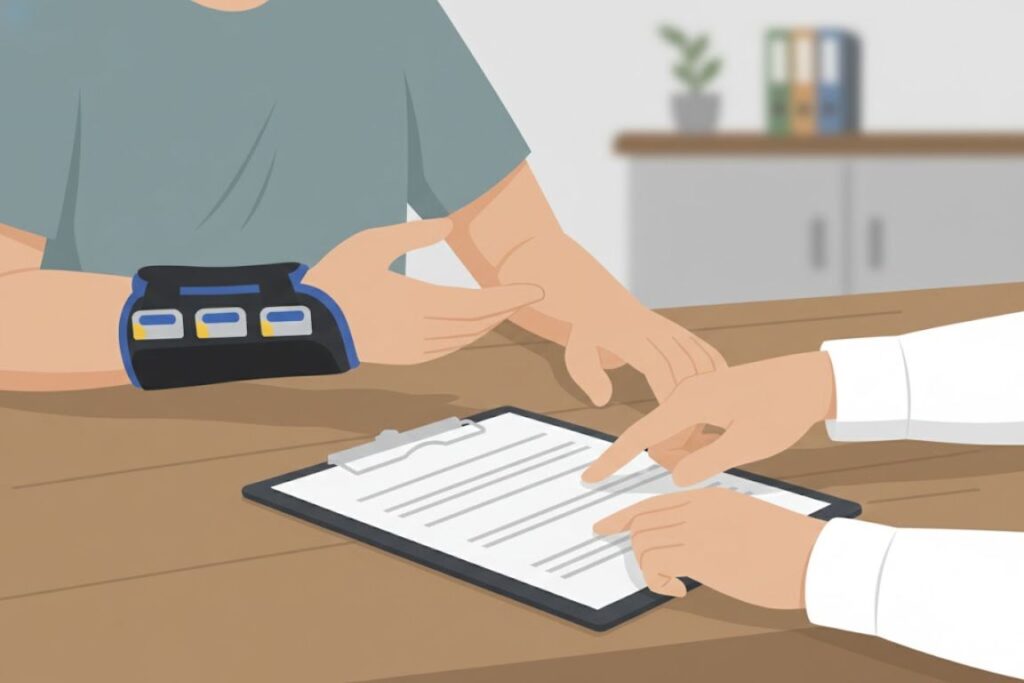
If you were injured in a California car accident, the consequences can extend far beyond the initial collision. Medical expenses, lost income, physical pain, emotional distress, and long-term financial uncertainty often follow. Taking prompt and informed action is essential to protecting both your health and your legal rights.
RMD Law’s experienced California car accident attorneys represent individuals injured due to negligent and reckless driving. Our firm assists clients from the earliest stages of the claims process by ensuring injuries are properly documented, medical treatment is coordinated, and critical evidence is preserved. This may include accident reports, medical records, witness statements, vehicle damage documentation, and other proof necessary to establish liability and damages.
We handle all communications with insurance companies to protect our clients from tactics designed to minimize or deny valid injury claims. Insurance carriers often attempt to downplay injuries, particularly those with delayed symptoms such as whiplash or concussions. Our attorneys work to present a clear and compelling case that fully reflects the physical, emotional, and financial impact of the accident. This includes pursuing compensation for medical costs, future treatment, lost wages, reduced earning capacity, and pain and suffering.
Timely legal guidance is especially important in California, where strict filing deadlines apply and early missteps can affect the value of a claim. By engaging counsel early, injured individuals can avoid common pitfalls, preserve their rights, and focus on recovery while their legal team manages the process.
If you or a loved one has been injured in a California car accident, you do not have to navigate the aftermath alone. RMD Law is committed to protecting your rights and pursuing the full compensation you deserve.
Contact RMD Law today at (949) 828-0015 for a free consultation. Our attorneys will evaluate your case, explain your options, and guide you through the legal and insurance process with clarity and care. Your health, recovery, and future security remain our highest priorities.
FAQs
Yes. Adrenaline and shock naturally mask pain symptoms immediately after a collision. Hidden soft-tissue tears, cervical whiplash, concussions, or internal bleeding often take 24 to 72 hours—or even several weeks—to fully manifest.
You should seek medical evaluation immediately, ideally within 24 to 72 hours. Seeking medical care right away can protect your health and create official medical records linking your injuries directly to the accident.
Common injuries include cervical whiplash, soft-tissue sprains, herniated discs, concussions, traumatic brain injuries, broken bones, and internal organ damage. Many of these injuries show delayed symptoms and require immediate diagnostic imaging.
Yes. Severe soft-tissue damage, whiplash, and concussions frequently occur in low-speed collisions at 5 to 10 mph. Vehicle damage does not reflect human body trauma, and serious symptoms can develop days later.
Yes. Severe soft-tissue damage, whiplash, and concussions frequently occur in low-speed collisions at 5 to 10 mph. Vehicle damage does not reflect human body trauma, and serious symptoms can develop days later.
Yes. Under California law, you can recover compensation for any injury caused by a negligent driver, regardless of vehicle damage. Compensatory damages cover medical bills, lost wages, and pain and suffering.
Thorough documentation creates an unbroken chain of evidence. Medical records, police reports, and diagnostic imaging prevent insurance carriers from arguing that your injuries were pre-existing, minor, or caused by an intervening event.

- Traumatic Brain Injury Long-Term Effects and How to Secure Your Settlement - October 20, 2026
- 2026 Updates to California E-Bike and Motorized Scooter Sidewalk Laws - October 15, 2026
- Map of Level 1 Trauma Centers in Northern California: Where to Go When Seconds Count - October 13, 2026