Key Takeaways
Rear-end accident fault isn’t automatically the rear driver’s responsibility
- Lead drivers, following distance, vehicle condition, and traffic behavior influence liability in California freeway collisions.
Common freeway behaviors increase collision risks
- Brake checking, distracted driving, and sudden, unsafe stops can shift fault away from the rear driver.
Documenting the scene preserves your claim
- Photos, dashcam footage, and witness statements strengthen evidence for insurance or legal purposes.
Shared liability requires careful review
- Accident investigations often consider the lead driver’s actions, vehicle maintenance, and traffic circumstances to determine fault.
Act quickly to protect your rights
- Collecting evidence and understanding insurance claims immediately after a crash helps secure fair compensation.
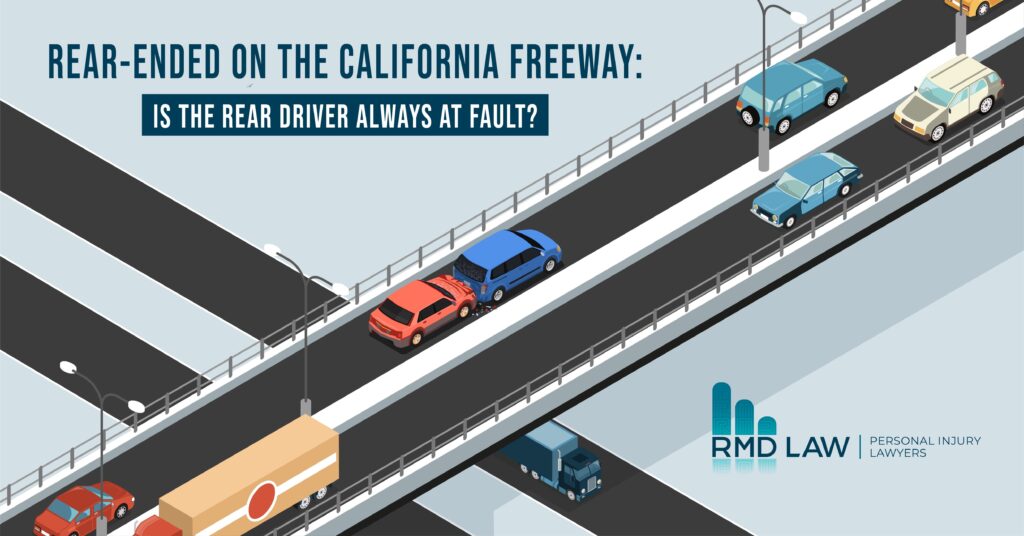
Rear-Ended on the California Freeway: Is the Rear Driver Always at Fault?
Rear-end collisions remain one of the most common accidents on California freeways in 2026. In such accidents, you might automatically assume the driver behind always takes the blame. But California law recognizes shared liability, meaning the lead driver’s actions can shift responsibility.
Factors like sudden stops, vehicle maintenance issues, or distracted driving can affect fault. Therefore, staying aware of traffic rules, maintaining safe following distances, and keeping your vehicle in proper condition can protect you legally. Monitoring insurance practices and understanding claims procedures also safeguards your rights.
When is a rear end collision not your fault? This blog post explores circumstances where the lead driver may be responsible.
5 California Scenarios Where the Lead Driver Is Negligent
Even if you are driving safely, to determine after being rear ended who is at fault requires looking beyond the rear vehicle. California law examines the lead driver’s behavior, vehicle condition, and traffic circumstances and doesn’t automatically assign fault to the rear driver. Understanding these protects you after an accident and gathers evidence for your claim.
1. Brake checking or road rage stops
Sudden, intentional braking can turn a normal commute into a collision in seconds. If the driver ahead slams on their brakes without cause, they may be held responsible. California courts recognize this as negligent behavior. Capture dashcam footage or note witness observations whenever possible. Documenting the incident strengthens your case and supports insurance claims.
2. Driving with broken or malfunctioning taillights at night
A taillight out on a busy freeway reduces visibility and increases the risk of being rear-ended. Under the California Vehicle Code, drivers must maintain functioning lights. If the lead driver fails this basic requirement, they may share fault. Photographing the damage or recording video provides undeniable evidence when proving negligence.
3. Sudden and unsafe stops without signaling
If the car ahead stops abruptly without using braking lights or a warning, you might collide even when maintaining a safe distance. Dashcam footage, witness statements, or even traffic camera recordings can illustrate that the lead driver acted carelessly or that the rear driver was not automatically at fault.
4. Distracted driving incidents
Eating, texting, or adjusting controls diverts attention from the road. If the lead driver rear-ends or causes you to brake suddenly, their distraction can establish liability. Noting behavior, times, and conditions immediately after the incident can support your claim.
5. Aggressive or erratic driving patterns
Weaving, tailgating, or speeding can create dangerous gaps for rear drivers. Observing and recording these behaviors—even briefly—can build a case that the lead driver contributed to the collision.
In situations like this, RMD Law can help you investigate the incident and gather evidence to show the other driver’s negligence.
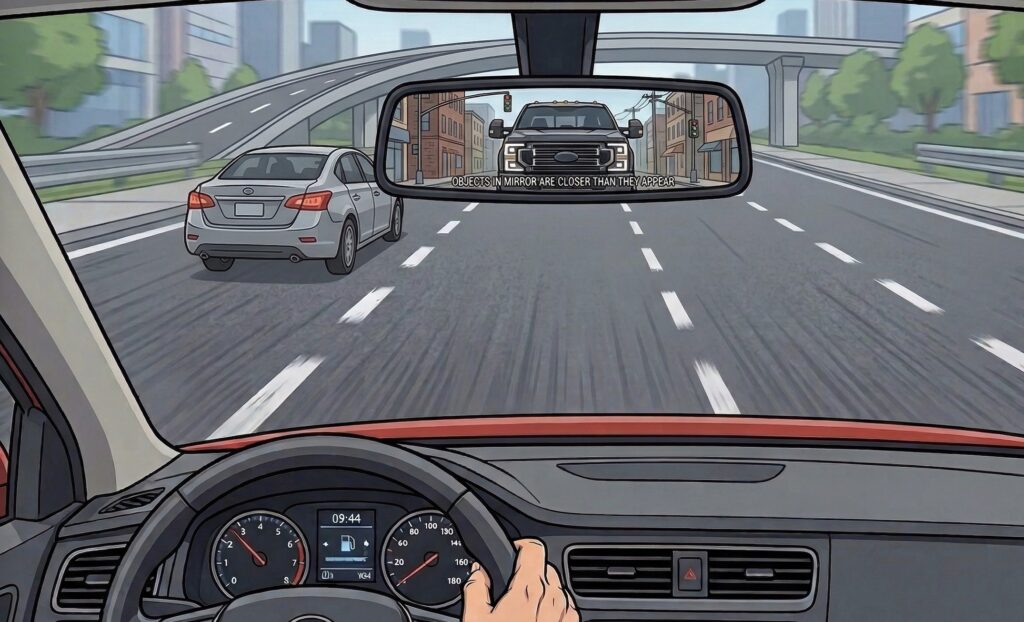
5 Unsafe Lane Change Practices That Can Make the Lead Driver Liable
Aside from braking aggressively, lane changes can also put you at serious risk. Fault often shifts when the lead driver moves unsafely in heavy traffic. Knowing these situations can protect you and document incidents that could prove the lead driver was negligent.
1. Abrupt merging without signaling
When a driver jumps into your lane without warning, they increase the chance of a rear-end collision. Note traffic conditions, vehicle positions, and any witnesses. Photos or video from your dashcam can show that the lead driver failed to merge responsibly.
2. Failing to check blind spots before changing lanes
Drivers who cut across lanes without checking blind spots can cause collisions even when you’re driving safely. Record details like car makes, lane locations, and timing. Witness statements or footage can prove the lead driver’s negligence.
3. Weaving between lanes in congested traffic
Erratic lane changes during congestion make it hard for rear drivers to react. Courts consider these patterns when determining comparative fault. If you notice repeated lane weaving, document it with notes or video to strengthen your claim.
4. Cutting off the rear driver at highway exits or on-ramps
Drivers merging or exiting abruptly leave no room to stop safely. These situations often place fault on the lead driver. Keep detailed observations and capture any available footage. In any dangerous situation involving lane changing, RMD Law’s experience in proving lane-change negligence can help you navigate insurance claims.
5. Failing to maintain a proper distance when merging
Even a slight gap misjudgment during merging can cause a collision. Note vehicle speed, distance, and traffic conditions at the time of impact. This documentation can support your argument that the lead driver contributed to the accident.
How RMD Law Can Help Rear-End Accident Victims
Dealing with aggressive insurance adjusters and complex legal rules after a crash can be overwhelming. RMD Law steps in to document your case thoroughly and hold the negligent lead driver strictly accountable.
1. Conduct thorough accident investigations
They identify all liable parties, examine the scene, and gather physical evidence. A proper investigation can reveal behaviors like brake-checking or unsafe lane changes that shift fault away from you.
2. Gather and analyze documentation
RMD Law collects police reports, dashcam footage, witness statements, and other records. They assess comparative fault to strengthen your rear-end accident claim under California law.
3. Advise clients on insurance claims
They explain settlement options, potential disputes, and guide you through claim procedures. Their support ensures you don’t accept less than you deserve.
4. Negotiate settlements or pursue litigation
When the lead driver’s negligence is clear, RMD Law provides tailored legal strategies. They represent you in negotiations or court to pursue fair compensation.
5. Guide clients in documenting injuries and vehicle damage
They educate you on proper record-keeping for medical bills and repair costs. Organized documentation strengthens claims with insurers or in court.
6. Educate clients on California traffic laws
Understanding how laws apply to rear-end collisions empowers you to recognize liability and take informed steps after an accident.
Drive Smart, Claim Smart
Rear-end collisions on California freeways don’t always mean you’re automatically at fault if you’re the one following. The lead driver’s actions—such as unsafe lane changes, sudden stops, or distracted driving—can shift liability and affect how insurance companies and courts view the accident.
Always document the scene carefully, note vehicle positions, gather witness accounts, and preserve any photos or dashcam footage. Recognize potential shared liability to avoid overlooking evidence that could support your claim.
A car accident lawyer manages the legal machinery to determine fault in a rear-end collision—from gathering dashcam footage to fighting adjusters—so you can focus entirely on your physical recovery. Their experienced team evaluates your case, gathers evidence, and helps you pursue fair compensation under California law.
Contact RMD Law today for expert guidance and protect your rights after a freeway collision.
FAQs
A rear-end collision may not be your fault if the lead driver acted negligently, such as brake-checking, failing to signal, or driving with broken taillights. California law allows shared liability, so documenting evidence like dashcam footage or witness statements strengthens your claim.
Liability depends on each driver’s actions. The rear driver isn’t automatically at fault; courts and insurers consider lead driver negligence, traffic conditions, and vehicle maintenance when assigning fault.
Abrupt merging, cutting off a rear driver, or failing to check blind spots can shift fault. Collecting evidence—photos, dashcam videos, and witness accounts—helps prove the lead driver’s negligence in California.
Stop safely, call 911 if needed, and document the scene. Take photos, note vehicle positions, record witness statements, and exchange insurance information. Early action protects your rights and strengthens your claim.
Documentation provides proof of liability, vehicle damage, and injuries. Dashcam footage, photos, and police reports help insurers or courts accurately assess fault, especially when lead driver negligence may reduce your responsibility.
A qualified car accident lawyer familiar with California law can guide you. They investigate the crash, assess comparative fault, and pursue fair compensation.
- Traumatic Brain Injury Long-Term Effects and How to Secure Your Settlement - October 20, 2026
- 2026 Updates to California E-Bike and Motorized Scooter Sidewalk Laws - October 15, 2026
- Map of Level 1 Trauma Centers in Northern California: Where to Go When Seconds Count - October 13, 2026