
Key Takeaways
Dog bite claims in California often depend on property conditions, not just the attack.
- Where the bite happened and how the area was secured can shape how liability gets evaluated.
A fenced property may be an attempt to control the dog, but broken or weak barriers can still support negligence claims.
- Investigators often look at whether the fencing reasonably prevented the dog from escaping or making contact.
An unfenced yard can increase exposure risk since dogs can move freely into shared or public spaces.
- This lack of containment often strengthens questions about supervision and reasonable safety precautions.
California law holds dog owners strictly liable for bites under Civil Code §3342.
- This means victims do not need to prove negligence, but property evidence still matters in building a stronger claim.
Photos, witness statements, and medical records help preserve the facts before conditions change.
- Early documentation often makes a difference in how clearly your injury story is supported.
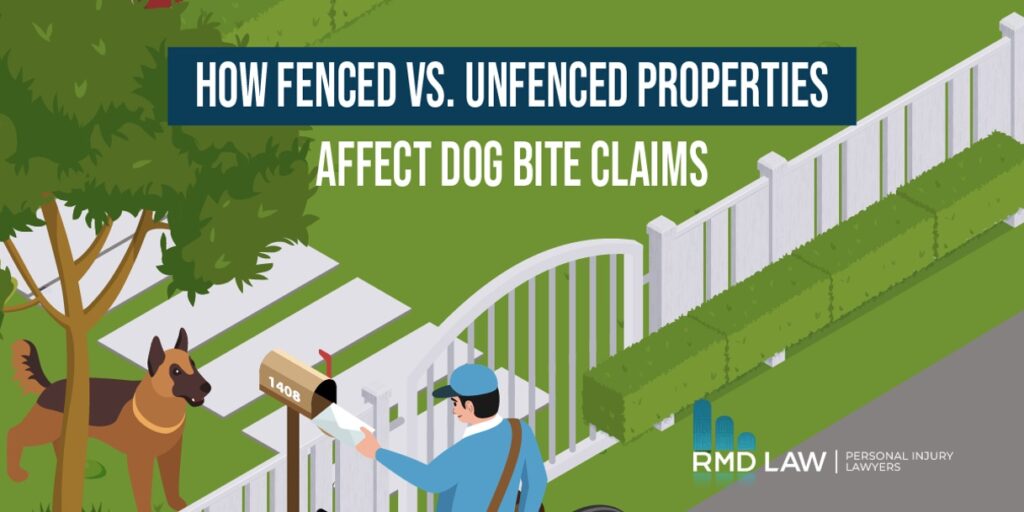
How Fenced vs. Unfenced Properties Affect Dog Bite Claims
California dog bite incidents frequently occur where you least expect them: in private driveways, front yards, and shared residential spaces. Property conditions can influence how liability can be evaluated after an attack. Where the bite occurred and how the space was secured often help explain what went wrong and how the dog reached you.
A fenced property and an unfenced yard can shape how investigators and insurers interpret control, access, and preventability. Broken gates, missing barriers, or roaming dogs often raise questions about whether reasonable safety measures were in place.
California’s strict liability rule under Civil Code §3342 generally holds dog owners responsible for bites, even without proof of negligence. Still, property evidence can play a role in how claims are built and negotiated.
This article breaks down how property conditions affect dog bite claims, what evidence you should document, and how legal guidance can help you strengthen your case.

Fenced Property vs. Unfenced Yard: How Each Influences Liability in Dog Bite Cases
Dog bite liability in California comes with strict rules, but the details still matter when you build your case. Property layout often is one of the first things insurance adjusters and attorneys look at after an attack. Where the dog stayed, how it got out, and what barriers existed can all shape how the story is interpreted.
A fenced property and an unfenced yard can lead to very different questions about control and prevention. You don’t need to prove intent; you only need to show what happened and how the environment may have contributed.
Fenced properties may suggest that preventive measures were taken
A fenced yard often signals that the dog owner tried to control access and reduce risk. But you may still see liability concerns when something breaks down in that system. A loose latch, a broken gate, or a low barrier can turn “contained” into “preventable escape.”
Investigators often focus on whether the setup matched the dog’s size, strength, and behavior. Prior escapes suggest the owner knew—or should have known—that the enclosure didn’t hold up.
You’ll often see these patterns in claims:
- Gates that don’t fully close or lock
- Fences too low for the dog’s size or breed
- Gaps or weak points along the perimeter
- Dogs jumping, digging, or pushing through structures
- Previous complaints about containment issues
Even with fencing in place, liability arguments may still center on maintenance and foreseeability. The question becomes, did the owner do enough to keep the dog contained under normal, expected conditions?
Unfenced properties may increase liability concerns
Unfenced spaces change the risk picture. Without a barrier, a dog can move freely into areas where people don’t expect it to be. That lack of separation often becomes a key issue in injury claims.
When a dog has unrestricted access to sidewalks, neighboring yards, or shared walkways, it raises immediate concerns about control. You don’t need complex analysis here—just visibility of risk.
These situations often come up in cases involving:
- Dogs roaming outside the home without restraint
- Open front yards close to pedestrian paths
- Shared apartment or condo common areas
- Driveways without gates or boundary control
- Neighborhood access points with no physical barriers
In these environments, leash laws and local ordinances may also apply. A dog that moves freely into public or shared spaces can trigger additional violations, depending on the city or county’s rules.
Without fencing, the focus often shifts to supervision. Was the dog under control at the time? Could the owner have prevented contact with a simple barrier or restraint? Even under California’s strict liability framework, those facts still shape how your claim gets evaluated and negotiated.
How Dog Bite Victims Can Document Property Features
What you do right after a dog bite can shape how strong your claim becomes later. Property conditions change fast. Gates get fixed, fences get repaired, and scenes get cleaned up. You want a record of everything before that happens.
Focus on what you can see, capture, and confirm. You don’t need legal language or technical proof at this stage. You need clear documentation of the environment where the attack happened.
1. Photograph fences, gates, and entry points
Take wide shots first, then move closer. Show the full layout of the space, not just the damage. These images help establish whether the dog stayed contained or had a way out. Even small openings matter when someone questions how the dog reached you.
Capture the following:
- Fence height and condition
- Open or broken gates
- Gaps along boundaries
- Any visible weak points
2. Record the exact location of the attack
Pin down where the bite happened. Location can affect how your case is analyzed and clarify access and control. It can also connect the property layout to how the incident unfolded.
Note whether you stood on:
- A private front or backyard
- A shared driveway or walkway
- A public sidewalk or street edge
- An apartment or condo common area
3. Document dog behavior and owner response
Pay attention to what the dog did and how the owner reacted right after the incident. Small details matter: a dog that repeatedly lunges or escapes control shows a pattern, not just a one-time event.
Write down:
- Whether the dog was loose or restrained
- How it approached you
- Whether it had a history of aggressive behavior
- How quickly the owner intervened
4. Preserve evidence of prior incidents
Past behavior often tells a bigger story. If the dog has acted aggressively before, that information can support your claim. You don’t need a full history; even partial information helps build context around risk and foreseeability.
Look for:
- Animal control reports
- Neighbors who noticed prior issues
- Previous bite or complaint records
- Warning signs or posted notices
5. Keep medical and official records
Your injury documentation anchors everything. It connects the event to your damage and shows the seriousness of the injury during negotiations.
Hold on to:
- ER and urgent care records
- Photos of injuries over time
- Police or incident reports
- Animal control documentation
- Follow-up treatment notes
How RMD Law Can Help Dog Bite Victims
After a dog bite, everything moves quickly—insurance companies start asking questions, and property conditions change before you can document them. Early legal help from RMD Law connects the facts of what happened, where it happened, and how the property setup may have played a role.
1. Investigate unsafe property conditions
We examine where the dog bite occurred and any conditions that may have contributed to it. We look at the fencing, gates, and other barriers to see whether the property setup failed to control the dog or prevent the attack.
2. Gather and preserve critical evidence
Lawyers move quickly to secure evidence before it disappears, including surveillance footage, witness statements, official reports, and photos of the scene and injuries.
3. Handle insurance negotiations
Insurance companies will try to limit payouts or shift blame. Our lawyers use medical records, witness accounts, and property evidence to push back and focus on the facts of the incident.
4. Calculate full damages
Your claim goes beyond immediate medical bills. Lawyers assess long-term impacts such as ongoing treatment, lost income, emotional distress, and future care needs to reflect the full extent of your injuries.
5. Guide you through the legal process
Dog bite claims in California are subject to specific rules and deadlines. We help you understand each step, avoid mistakes, and make informed decisions.
Fences Do Not Erase Liability
Property conditions such as fencing, access points, and visibility can influence how a dog bite claim is evaluated in California, especially when investigators assess control and prevention measures. Timely documentation helps protect key details before they change or disappear, and those early records often become the backbone of a strong claim.
If you were injured on a fenced property, act quickly to preserve evidence such as photos, medical records, and witness accounts. Early legal guidance also helps you avoid gaps in evidence and strengthens your position when dealing with insurers.
If you or a loved one has been injured in a dog bite caused by fenced or unfenced property, contact RMD Law for a free consultation. A dog bite lawyer can assess whether unsafe property conditions played a role and how that may affect your compensation.
FAQs
A fenced property refers to any enclosed residential or private area where a fence, wall, or barrier is meant to contain a dog. In dog bite claims, it can show whether the owner took steps to prevent the dog from reaching visitors or escaping into shared spaces. Even with fencing, liability may still apply if the dog causes injury under California’s strict liability law.
An unfenced yard can increase risk because it allows dogs to move freely into sidewalks, driveways, or neighboring properties. While California still applies strict liability for dog bites, a lack of containment may strengthen arguments about negligence or poor supervision. These conditions often influence how insurers and attorneys evaluate the claim.
No. California’s Civil Code §3342 holds dog owners strictly liable for bites, even if the dog is fenced in. A fence may show an attempt to control the animal, but it does not eliminate responsibility if a bite occurs. Liability still applies regardless of property barriers in most cases.
You should take photos of fences, gates, and the full scene immediately after the incident. Also, record the exact location, gather witness information, and keep all medical records. If possible, document the dog’s behavior and whether the owner had control at the time of the attack.

- Why Wrong-Way Crashes Are Increasing in Orange County at Night - September 24, 2026
- Safest Places to Ride in Orange County - September 22, 2026
- School Zone Pedestrian Accidents in California: Who’s Liable? - September 17, 2026