Dogs are man’s loyal companions. But sometimes, even the most docile canine can snap, attacking someone and even injuring them. This is primarily true if you were bitten by one without provocation. You probably can’t fight back in this situation, at least not literally. But it’s important to keep calm and take the necessary steps to protect your health and insurance claim.
Read on to learn what to do after a dog bite.
6 Steps to Take After a Dog Bite Incident
It’s easy to lose your cool when you’ve been bitten by a dog. However, try as much as you can to keep it together. Here are some steps to keep in mind following a dog attack:
1. Apply first aid and seek medical treatment
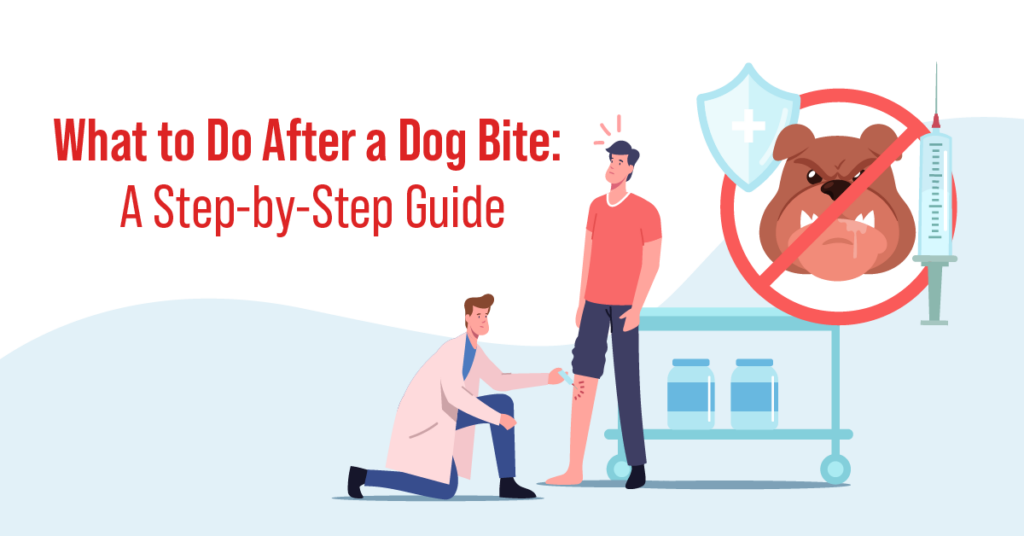
The first order of business is infection avoidance. Be sure to clean the wound immediately. Superficial wounds won’t need more than soap and warm water. For puncture wounds, apply pressure near the bite area to stop the bleeding.
If you have antibacterial ointment, apply some to the wound. Then, cover it with a clean bandage or cloth. An infected dog bite will require you to take antibiotics. Strictly follow the recommended intake dosage and schedule for fast recovery.
Whether your wound is superficial or punctured, it’s important to seek medical treatment. Follow your doctor’s orders, especially since there’s a risk of contracting rabies if the dog that bit you did not receive immunization shots and had been infected by another rabid animal. Also, certain medical conditions may affect a dog bite treatment. Hence, be honest about your medical history with your doctor.
2. Call the police and animal control
Immediately call the police and animal control after a dog bite and file an official report. The document will help strengthen your insurance claim and personal injury case later on if you decide to pursue one.
If you know the owner of the dog, then you can have immediate access to its immunization status. You won’t have to worry about contracting rabies if the dog has been properly immunized. Alternatively, you can rely on animal control to catch the dog and determine its rabies status.
For your safety, you could already get anti-rabies vaccination shots at this point. You don’t want to risk your health while waiting for the diagnosis from animal control.
3. Document your injuries and the scene
Again, this step is in anticipation of your insurance claim or any personal injury case you may pursue later on. Chances are that after the attack, some commotion affected your recollection of the matter. It’s best to document the incident immediately to have tangible proof of what happened. Take pictures of your wound and the dog that bit you.
Likewise, document the scene by taking photos or videos. If there’s a CCTV in the area, try to obtain a copy of the footage. You can use the clip to prove that you did not do anything to provoke the animal. It also makes it easier for your personal injury lawyer to establish your claim against the insurance company.
4. Get the owner’s contact details and insurance information
After documenting the incident, get the dog owner’s contact details and insurance information. This is important because most dog bite claims are paid by the dog owner’s renter’s or homeowner’s insurance. Sometimes, applicable coverage can also be found in condominium, landlord, or commercial general liability insurance.
5. Keep a record of all your medications, treatments, and expenses
Keeping a list of all your dog bite treatments and costs will help your personal injury attorney in Orange County evaluate your insurance claim. On top of your medical expenses, there might be other costs associated with the injury. Be sure to record those, too.
For example, you might have had mobility issues after the dog bite, resulting in missed work days. Gather all relevant documents and proofs like receipts, journal entries, photos, and video recordings.
6. Consult a personal injury lawyer
Before pursuing an insurance claim, it’s essential to consult a dog bite lawyer first. An experienced dog bite attorney in Orange County is adept at establishing a solid case that will support the validity of your claim. They can also help you navigate the process to ensure a favorable result.
Do the Right Thing After a Dog Bite
When you’ve been bitten by a dog, you can bite back by following the steps discussed above to protect yourself and your insurance claim.
If you need an Irvine injury attorney to guide you through the process, reach out to RMD Law. We have a team of experienced lawyers ready for the tireless representation you deserve. Contact us today for a free case evaluation!

- The Legal Complexities of Bicycle vs. Commercial Truck Accidents in Orange County - October 22, 2026
- Traumatic Brain Injury Long-Term Effects and How to Secure Your Settlement - October 20, 2026
- 2026 Updates to California E-Bike and Motorized Scooter Sidewalk Laws - October 15, 2026