Key Takeaways:
- Yes — California has red light and speed cameras. Both are legal and actively used under state law, with strict rules on signage, calibration, and evidence.
- Red light cameras operate under Vehicle Code § 21455.5 in cities including Los Angeles, San Diego, Sacramento, and Orange County.
- Speed cameras are active under AB 645 in six pilot cities: Los Angeles, San Francisco, San Jose, Oakland, Glendale, and Long Beach.
- Red light camera citations can result in high fines and DMV points, while speed camera tickets under the pilot program are treated as civil violations with no insurance impact.
- Camera enforcement is expanding in 2026, with active ticketing in select cities and high-risk zones rather than statewide coverage.
- California courts have upheld properly operated camera systems as valid legal evidence in traffic and accident cases.
- Speed cameras are currently limited to six pilot cities and select highway work zones under state-approved safety programs.
- Camera footage can play a major role in car accident claims by proving fault, supporting witness statements, and challenging false allegations.
- An experienced California car accident lawyer can quickly secure camera footage, verify its accuracy, and use it strategically to strengthen injury claims and negotiations.
California’s Red Light & Speed Cameras: What Drivers Should Know
You’re cruising down a California street when the light turns yellow. You ease through, but a quick burst of white light flashes from the corner of the intersection. For the rest of the drive, you can’t help wondering, was that a camera? Will a ticket show up in your mailbox in a couple of weeks?
Many drivers ask: Where are these cameras, how do they work, and are the tickets even enforceable? You’ll learn what to watch for, how these systems operate, and how footage from them can come into play in accident cases.
Are Red Light and Speed Cameras Legal in California?
Yes, both red light and speed cameras have legal footing in California, but the rules differ.
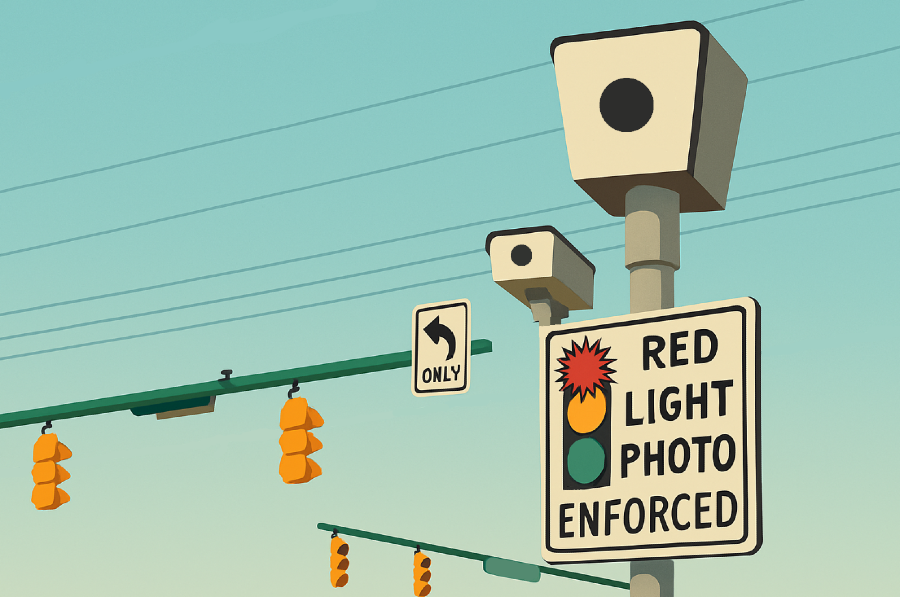
Red light cameras are authorized under Vehicle Code § 21455.5. Cities must post clear warning signs before intersections, keep the equipment calibrated, and follow strict evidence standards. Citations require photo and video proof that you entered the intersection after the signal turned red.
California courts, including the state’s highest court, have upheld red light camera images and videos as valid legal evidence when programs follow statutory requirements. When cities comply with signage, calibration, and review rules, these citations are generally enforceable. Many California cities also contract with third-party vendors to operate and maintain camera systems. However, every citation must still be reviewed and approved by local law enforcement before it is issued.
A new measure, Senate Bill 720, gives cities the option to issue civil violations through a Safer Streets Program. These carry a $100 flat fee, avoid DMV points, and won’t raise insurance rates. SB 720 also removes the requirement to include a driver’s face photo on citations. However, this civil enforcement option depends on local adoption, meaning not all cities currently use SB 720 programs.
As of 2026, California continues to expand camera enforcement through these programs. Speed cameras remain limited to the six pilot cities, while additional use is being introduced in highway construction zones to improve worker safety. These updates reflect a shift toward more targeted, location-based enforcement rather than statewide deployment.
Under Assembly Bill 645, passed in October 2023, California launched a five-year pilot program that runs through 2032. Only six jurisdictions can use them: Los Angeles, San Francisco, San Jose, Oakland, Glendale, and Long Beach. These cities must adopt a Speed Safety System Use Policy, give the public notice, run a 60-day warning period before ticketing begins, and protect driver data under strict privacy rules.
So, if you’ve been wondering whether California has red light cameras or speed cameras, the answer is yes—under specific legal conditions.
How Red Light Cameras Work
Red-light cameras don’t snap a photo every time someone rolls through a green. They’re triggered only when a vehicle crosses the stop line after the light has already turned red.
When activated, the system records several key details:
- Your license plate number
- A clear image of the license plate and, in most cases, the driver’s face (unless issued under SB 720 civil rules)
- The date, time, and exact location of the violation
- A short video clip showing the vehicle entering the intersection
Warning signs are typically posted in advance of monitored intersections, often within a few hundred feet, to alert drivers. Without clear, admissible evidence, the citation can be challenged and possibly dismissed under state law.
If you’re the registered owner, you’ll usually get the citation in the mail within about 15 days. The notice will include instructions to view the evidence online or request it directly from the enforcing agency. You have the right to review it, question its accuracy, or contest it in court. In many cases, an improperly posted sign, a technical malfunction, or unclear images can work in your favor.
How Speed Cameras Work
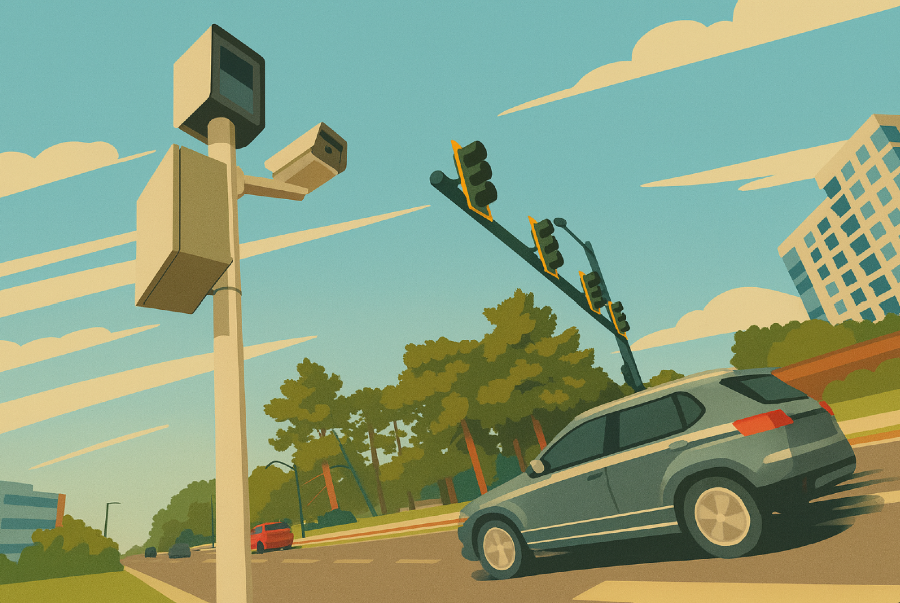
Speed cameras in California’s pilot cities don’t guess your speed; they measure it with precision. These systems use radar or in-ground sensors to detect when a vehicle exceeds the posted limit. If you’re over the threshold, the camera captures a photo of your rear license plate only. No face imagery is allowed under AB 645, a safeguard built into the law to address privacy concerns.
The process begins with warnings. If you’re caught driving 11–15 mph over the limit during the initial enforcement period, you’ll get a notice but no fine. After that, penalties kick in:
- $50 for 11–15 mph over
- $100 for 16–25 mph over
- $200 for 26–99 mph over
- $500 for 100+ mph
Low-income or indigent drivers can qualify for income-based fine reductions, making the penalties less burdensome.
Cities must follow strict procedures before activating these systems. Signs need to be posted at least 30 days ahead, a 60-day warning period is required, and each program must have a public Speed Safety System Use Policy and an annual impact report.
Where You’re Most Likely to See These Cameras
You won’t find red light and speed cameras scattered randomly or installed statewide across California. As of 2026, speed cameras are limited to pilot cities such as Los Angeles, San Francisco, San Jose, Oakland, Glendale, and Long Beach, along with select highway work zones.
Red light and speed cameras are placed in high-risk locations, including:
- Busy intersections – Red light cameras often sit at high-traffic crossroads where running a red light can lead to severe collisions.
- High-accident zones – Speed cameras are placed along corridors with a documented history of frequent or serious crashes.
- School zones – Both systems are heavily used near schools to protect children during peak arrival and dismissal hours.
- Downtown areas in pilot cities – San Francisco, Oakland, and other AB 645 cities focus speed cameras in “high-injury network” streets where pedestrian and cyclist traffic is dense.
- Commercial or high-pedestrian districts – Cameras in shopping areas or entertainment hubs aim to slow traffic and protect people crossing the street.
If you commute through these areas regularly, it pays to know the locations. Many cities post interactive maps online so residents can check for active or planned camera sites before hitting the road.
Where Cameras Are Actively Ticketing
As of 2026, automated camera enforcement is active or rolling out in select areas across California.
Speed cameras are currently being used in pilot cities including Los Angeles, San Francisco, San Jose, Oakland, Glendale, and Long Beach, primarily in high-injury corridors and dense urban streets. Some locations may still be in warning or early enforcement phases depending on rollout timelines.
In addition, automated speed enforcement is active in highway construction zones statewide to improve worker safety.
Red light camera enforcement continues in participating cities depending on local adoption, meaning enforcement levels can vary by location.
What to Know About Tickets and Enforcement
Getting a ticket from a red-light or speed camera in California follows a set process, and knowing the details can help you decide your next move.
How Tickets Are Issued
For both cameras, citations are mailed to the registered vehicle owner. They include photo evidence, a description of the violation, and instructions on how to view the footage. In pilot cities using speed cameras, you’ll receive warnings periods before fines begins.
Typical Costs of Fines
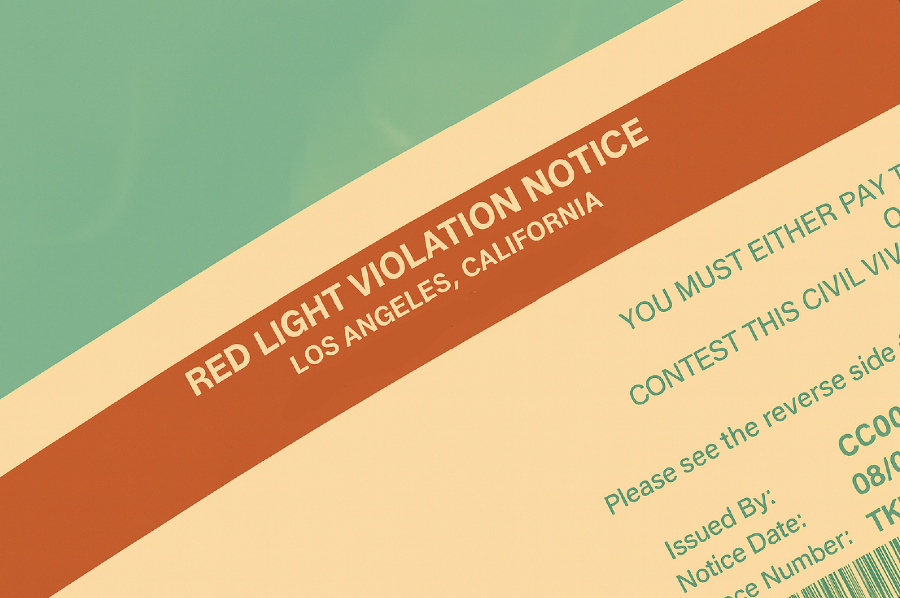
A standard red light ticket can run about $486 or more once state and local court fees and surcharges are added, and it typically includes at least one DMV point. Speed camera fines under AB 645 range from $50 to $500, depending on how far over the limit you were driving.
Impact on Your Driving Record
Red-light violations add DMV points, which can raise insurance premiums. Speed camera tickets issued under the pilot program are treated as civil violations—no points and no insurance impact.
Failure to Pay Consequences
Unpaid citations may lead to additional penalties or registration holds.
Options to Contest a Ticket
You can dispute a citation if you believe the equipment malfunctioned, the required warning signs weren’t posted, the vehicle in the footage isn’t yours, or the system wasn’t calibrated correctly. Having clear grounds and supporting evidence improves your chances of getting it dismissed.
What to Do If You Receive a Red Light or Speed Camera Ticket in California
If you receive a camera-issued ticket, start by reviewing the notice carefully and checking the photo or video evidence provided. Confirm the details, including the date, time, and location of the violation.
You can choose to pay the fine or contest the ticket if you believe the violation is inaccurate, the system malfunctioned, or the vehicle was not yours.
If you decide to dispute the ticket, you may request a hearing or administrative review depending on how the violation was issued.
It’s important not to ignore the ticket, as unpaid citations may result in additional penalties or issues with vehicle registration.
How Red Light and Speed Camera Evidence Can Affect Accident Cases
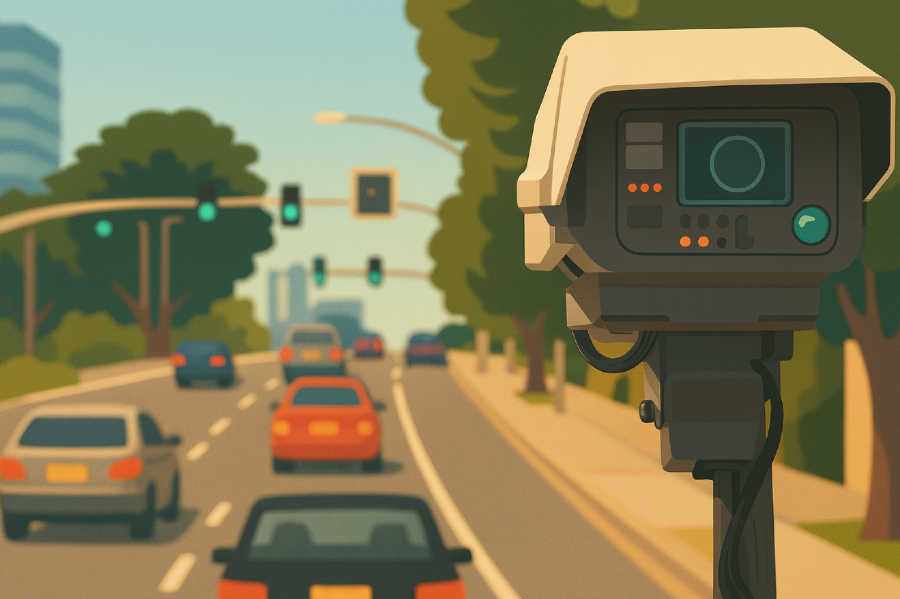
More than the traffic tickets, camera footage is often critical in car accident claims.
Proving Fault in a Crash
Timestamps from red-light or speed camera footage can show exactly when a driver entered an intersection or how fast they were going. This helps establish who broke the traffic law.
Backing Up Witness Testimony
Eyewitnesses can misremember events. Video provides an objective record that either confirms or challenges what people say they saw.
Supporting Injury Claims
Footage showing a driver running a red or speeding right before impact can strengthen your claim for damages. It adds weight to arguments about the other driver’s negligence.
Challenging False Accusations
Even under SB 720’s civil violation rules, camera footage can clear your name if another party blames you for a crash you didn’t cause.
Strengthening Negotiations with Insurers
Insurance adjusters take hard evidence seriously. Your attorney can use camera data to pressure for a fair settlement instead of relying on conflicting statements alone.
When handled correctly, these images and clips can be a powerful part of your case strategy.
How a Car Accident Lawyer Can Help You With Camera Evidence
Cities may have strict retention schedules, privacy rules, and procedural steps before releasing it. A skilled car accident lawyer can navigate those obstacles for you.
Securing Footage Quickly
Camera recordings don’t last forever; some are overwritten/deleted in as little as 30 days. An attorney knows how to file timely requests or subpoenas to preserve the evidence before it’s gone.
Challenging Evidence Accuracy
Not all footage is flawless. Lawyers can question whether the camera was properly calibrated, if required signage was visible, or if the footage meets California’s legal standards for admissibility.
Presenting Evidence in Court or Negotiations
You need to present the camera footage effectively. Attorneys frame the evidence to clearly show the other driver’s fault, making it harder for insurers or opposing counsel to dispute.
Protecting Against Insurance Company Tactics
Insurers may try to use selective clips against you. A lawyer can put the footage in full context to prevent misleading interpretations.
Maximizing Compensation
By combining camera evidence with accident reconstruction, medical records, and expert testimony, your attorney can build the strongest case possible for your recovery.
Know Your Rights Before the Light Turns Red
Understanding how California uses red light and speed cameras helps protect your driving record and legal rights, including their placement, captured data, and evidentiary use. If you ever find yourself in a collision where camera footage plays a role, it helps to know the steps for how to obtain traffic camera video after a car accident in California, so valuable evidence isn’t lost.
If you’ve been injured in a crash and need a skilled car accident lawyer in California who knows how to leverage camera evidence to strengthen your claim, RMD Law can help. We have the experience, resources, and determination to secure the footage you need, counter insurance company tactics, and fight for the full compensation you deserve.
Contact us for a free case evaluation.

- Traumatic Brain Injury Long-Term Effects and How to Secure Your Settlement - October 20, 2026
- 2026 Updates to California E-Bike and Motorized Scooter Sidewalk Laws - October 15, 2026
- Map of Level 1 Trauma Centers in Northern California: Where to Go When Seconds Count - October 13, 2026