Key Takeaways
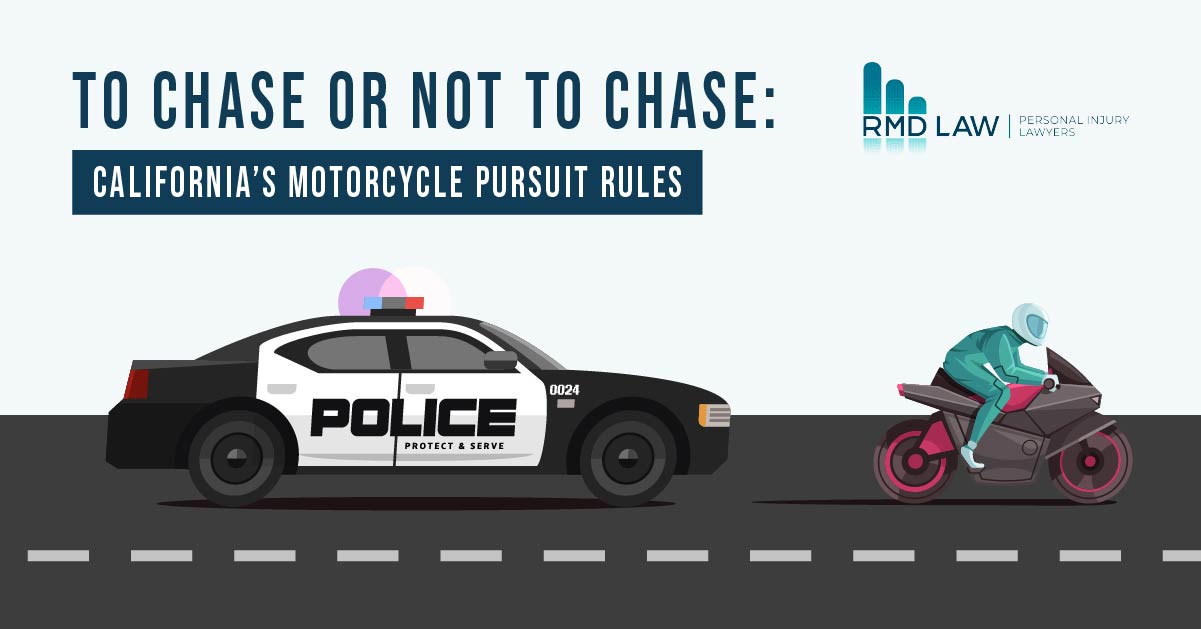
The California no chase law for motorcycle does not create a statewide ban on motorcycle pursuits.
- Law enforcement agencies often decide whether to continue a pursuit based on public safety risks and the seriousness of the suspected offense.
Motorcycle pursuits carry a higher risk of severe injury because riders have limited protection during a crash.
- These incidents can harm not only riders but also passengers, pedestrians, and other motorists.
Many agencies use stricter pursuit standards for motorcycles to reduce pursuit-related injuries and fatalities.
- Officers weigh traffic conditions, public danger, and the need for immediate apprehension before pursuing.
Pursuit-related crashes can raise questions about whether officers followed departmental policies.
- Policy compliance may become important evidence when determining liability after a collision.
Victims injured during a pursuit may have legal options depending on the facts of the case.
- Early legal investigations can help preserve evidence and identify potentially responsible parties.
Motorcycle Police Pursuits in California: Understanding the No-Chase Policy
Motorcycle police pursuits pose serious safety risks because riders have far less protection than occupants of passenger vehicles. At high speeds, a single mistake can lead to catastrophic injuries for riders, passengers, pedestrians, and other motorists.
Many Californians have heard of a “no-chase” rule for motorcycles and assume officers cannot pursue riders. In reality, California does not impose a blanket ban on motorcycle pursuits. Instead, many law enforcement agencies follow stricter pursuit policies that weigh public safety concerns against the need to apprehend a suspect.
When a pursuit ends in a crash, questions often arise about whether officers followed department policies and whether a public agency may share liability.
This guide explains how motorcycle pursuit restrictions work and what legal options may exist after a pursuit-related collision.

The Public Safety Problem Behind Motorcycle Pursuits
When you picture a police pursuit, you might think of a high-speed car chase. Motorcycle pursuits create a different set of risks. Riders have far less protection than occupants inside passenger vehicles, which means even a relatively minor collision can lead to devastating injuries.
This concern is at the heart of the debate about California no chase law for motorcycle pursuits. Despite the common phrase, California does not have a statewide law that completely bans officers from pursuing motorcycles. Instead, state training standards and agency policies encourage officers to carefully weigh the risks before continuing.
Why motorcycles create unique risks
Motorcycles expose riders directly to the roadway and surrounding traffic. Unlike drivers in cars, riders lack airbags, seat belts, reinforced frames, or other protective features to absorb crash forces.
During a pursuit, riders may make sudden lane changes, weave through traffic, or accelerate rapidly to avoid apprehension. These actions increase the likelihood of severe injuries, especially when traffic conditions change unexpectedly.
Challenges for Law Enforcement
Officers face difficult decisions when a motorcyclist refuses to stop. Continuing a pursuit can increase the danger to everyone nearby. Ending the pursuit may allow the rider to escape temporarily.
Law enforcement agencies often evaluate factors such as traffic density, weather conditions, roadway design, and the seriousness of the suspected offense before deciding whether to continue a pursuit.
Why Agencies Adopted Stricter Policies
California Penal Code § 13519.8 requires law enforcement agencies to establish written vehicle pursuit policies and provide pursuit training. Over time, many agencies have revised those policies to place greater emphasis on community safety.
As a result, officers are often advised to avoid pursuits when the danger to the public outweighs the benefits of immediate apprehension. These policies aim to reduce pursuit-related injuries, fatalities, and property damage while preserving accountability in law enforcement operations.
When Can Officers Pursue a Motorcycle?
Motorcycle no chase law in California can create confusion because most agencies do not operate under an absolute no-pursuit rule. Decisions depend on the circumstances of each incident.
1. Factors officers may consider
Several factors can influence whether a pursuit continues:
- Severity of the suspected offense
- Immediate threat to community safety
- Traffic congestion
- Road and weather conditions
- Availability of alternative investigative methods
- Likelihood of identifying the suspect later
2. Situations more likely to justify the pursuit
Certain situations may support continued pursuit because the public safety concerns are especially significant. Examples include:
- Violent felony investigations
- Armed suspects
- Ongoing threats to the public
- Incidents involving serious bodily injury
- Crimes posing immediate danger to others
3. Situations where pursuit may be discouraged
At the other end of the spectrum, some situations may not justify the dangers of a high-speed pursuit. These include:
- Minor traffic infractions
- Equipment violations
- Registration-related offenses
- Circumstances involving heavy pedestrian activity
- Situations where public danger becomes excessive
Consider two scenarios. In the first, an officer observes a rider speeding well above the limit on an empty roadway. In the second, the rider is suspected of involvement in a violent felony and presents an immediate threat to the public. Although both situations involve fleeing riders, risk assessment may lead to very different decisions.
Real-World Pursuit Outcomes: Who Gets Hurt?
Pursuit-related crashes rarely affect only the fleeing rider. When a motorcycle pursuit ends in a collision, multiple victims may suffer serious injuries, and the legal issues can become far more complicated.
1. Potentially injured parties
Several groups may suffer harm during pursuit-related crashes:
- Motorcyclists
- Passengers
- Pedestrians
- Cyclists
- Other motorists
- Roadside workers
2. Common collision scenarios
Pursuit-related crashes occur in several ways. A rider may lose control while attempting to evade officers. A motorcycle may enter an intersection against a traffic signal. Secondary crashes can also occur when surrounding drivers react suddenly to the pursuit.
A common scenario is a fleeing rider entering an intersection at high speed and colliding with another vehicle that legally entered the intersection.
3. Potential consequences
Motorcycle crashes often produce severe injuries because riders lack physical protection. Victims may experience:
- Traumatic brain injuries
- Spinal cord injuries
- Fractures
- Internal injuries
- Permanent disabilities
- Wrongful death losses
The financial impact can become overwhelming. Medical expenses, rehabilitation costs, lost wages, and long-term care needs may continue long after the collision itself.
Legal Liability After a Pursuit-Related Crash
However, that immunity does not automatically end the analysis because separate statutes and agency policy requirements may still affect liability questions. California Vehicle Code § 17004.7 creates important exceptions involving agency pursuit policies and compliance requirements.
Determining liability after a pursuit-related crash requires a detailed investigation. California Vehicle Code § 17004 generally provides immunity to public employees for injuries arising from the operation of an authorized emergency vehicle during a pursuit.
Because these laws can be highly technical, attorneys often examine both the actions of the fleeing rider and the conduct of the pursuing agency.
Questions attorneys investigate
An attorney may investigate questions such as:
- Did officers follow department pursuit policies?
- Was the pursuit justified under agency guidelines?
- Did supervisors properly monitor the incident?
- Were policy-required procedures followed?
- Did agency actions contribute to the crash?
Evidence may include body-camera footage, dash-camera recordings, dispatch communications, pursuit reports, and witness statements.
2. Potential claims that may arise
Several legal claims may emerge after a pursuit-related collision, such as:
- Personal injury
- Wrongful death
- Government liability
- Property damage
- Third-party bystander claims
The available legal options depend on the specific facts, the parties involved, and applicable California law. However, claims against public entities may involve special notice requirements and shorter filing deadlines under California law.
Why policy compliance matters
Policy compliance often becomes a major focus in pursuit-related litigation. If investigators discover that officers failed to follow established procedures, those violations may become important evidence during settlement negotiations or court proceedings.
While a policy violation does not automatically establish liability, it can raise significant questions about whether reasonable safety measures were followed.
How RMD Law Can Help Motorcycle Accident Victims
After a pursuit-related crash, you may face mounting medical bills, lost income, insurance disputes, and unanswered questions about what happened. The legal process can feel overwhelming, especially while you focus on recovery.
1. Investigate the circumstances of the pursuit
We review pursuit reports, agency records, video footage, dispatch logs, and other evidence to understand how the incident unfolded.
2. Analyze policy compliance
Pursuit policies often contain detailed requirements governing officer conduct. Reviewing those policies can reveal whether law enforcement personnel followed applicable procedures.
3. Identify liable parties
Multiple parties may share responsibility for a collision. A thorough investigation helps identify all potentially liable individuals and entities.
4. Document damages
A complete claim should account for more than immediate medical expenses. Future treatment costs, rehabilitation needs, lost earning capacity, and pain-related damages may all play a role.
5. Protect your rights
Claims involving government entities frequently involve strict deadlines and procedural requirements. Early legal guidance can help preserve evidence and protect your ability to pursue compensation.
When the Chase Ends
Motorcycle pursuits create safety risks not just for the parties involved. Although many people refer to a no-chase rule, California does not impose a blanket prohibition on motorcycle pursuits. Instead, officers must balance public safety concerns with the need to apprehend a suspect while adhering to agency policies and state training requirements.
When a pursuit-related crash causes serious injuries, important legal questions often arise regarding policy compliance, liability, and available compensation. A thorough investigation can uncover whether pursuit policies were followed, identify potentially responsible parties, and determine what legal options may be available.
If you or a loved one suffered injuries in a motorcycle pursuit-related crash in California, contact RMD Law today for a free consultation. Our experienced motorcycle accident lawyer can investigate the circumstances of the pursuit, protect your rights, and help you seek the compensation you may be entitled to.
Contact RMD Law for guidance on motorcycle accident and pursuit-related injury claims.
FAQs
California does not have a statewide law that completely prohibits motorcycle pursuits. Instead, law enforcement agencies follow pursuit policies that require officers to consider public safety, the seriousness of the offense, and the risks associated with continuing the pursuit.
Police may pursue a motorcycle when the circumstances justify the risks involved. Officers typically consider factors such as the severity of the suspected crime, immediate threats to public safety, traffic conditions, and department pursuit policies before deciding whether to continue.
Pursuit-related crashes can injure more than the fleeing rider. Passengers, pedestrians, cyclists, and uninvolved motorists may all suffer harm when a pursuit results in a collision or triggers secondary crashes.
Yes, but your legal options depend on the facts of the case, including how the pursuit occurred, whether officers followed applicable policies, and who contributed to the crash. An attorney can investigate the incident and determine whether personal injury, wrongful death, or government liability claims may apply.
- 66 Fatal DUI Accidents: Fresno County Drunk-Driving Deaths Jumped 57% in a Single Year - October 9, 2026
- How to Dispute a Fault Finding on a California Highway Patrol Accident Report - October 6, 2026
- How to Get Camera Footage From a Traffic Light in California - October 6, 2026