Is Driving Slower More Dangerous than Speeding?
So, why is driving slower than other vehicles just as – or more – dangerous as speeding? Let’s break down why driving slower isn’t safe.

Learn your next steps here and get the maximum compensation with our step-by-step walkthrough
Seek Medical Attention

Your well-being should be your top priority
Report the Accident to Authorities

Call 911 immediately and contact the local police or the California Highway Patrol (CHP)
Gather Information

Ensure to collect at least the driver’s name, address, and date of birth alongside their license number and state
Document the Scene

If you are not too injured, take good pictures of the scene and some videos if you can
Preserve Evidence

Carefully label and safe-keep any proof you’ve gathered to help your case
Notify your Insurance Company

Reach out to your agent and/or your insurance company immediately
Consult with a Bus Accident Attorney

Contact your lawyer as soon as possible
Every case is unique, so it’s important to consult with a legal professional who can provide specific guidance based on your situation. They can guide you through the legal process, help protect your rights, and pursue any potential compensation you may be entitled to for your injuries, medical expenses, lost wages, pain, and suffering.
San Diego depends on its public transportation network—particularly buses—to transport thousands of locals and tourists throughout the region every day. Still, bus collisions remain a serious concern across the city. These incidents can cause major physical trauma, emotional stress, and financial strain for passengers, pedestrians, cyclists, and motorists alike. Whether the crash is the result of traffic congestion, driver negligence, mechanical issues, or unsafe bus stops, bus accidents in San Diego often leave behind long-term or even permanent consequences.
The aftermath of a bus accident in San Diego can be incredibly difficult—especially when victims face surgery, rehabilitation, or lifelong medical needs. You may have the right to pursue financial compensation for emergency treatment, lost income, and emotional suffering. Having a skilled San Diego bus accident attorney by your side can be crucial in establishing liability and recovering the compensation you need to move forward with your life.
This guide covers the most common types of injuries associated with bus crashes, what damages victims may be entitled to recover, and the important legal actions to take following a bus accident in San Diego. Knowing your rights under California law can help you make confident decisions regarding your health, finances, and long-term recovery.
At RMD Law, we understand the devastating toll a bus collision can take on individuals and families. Our experienced legal team has a proven track record representing people injured in transit-related incidents across San Diego, including those involving the Metropolitan Transit System (MTS), school buses, and privately owned transportation companies. We offer thoughtful, personalized legal support and are committed to helping our clients secure every dollar they are owed. No matter which bus service was involved, we will stand up for your rights from start to finish.
Crashes involving government-run transit services like MTS and the North County Transit District (NCTD) pose specific legal challenges due to the presence of public agencies. These claims must follow strict procedures and often require filing a government claim within a very short deadline. At RMD Law, we understand these legal complexities and know how to hold San Diego’s public transit systems accountable for hazardous operations, poor maintenance, or negligence.
Whether you were injured as a bus passenger, a bystander, a biker, or another driver, our team will conduct a thorough investigation—reviewing maintenance logs, evaluating surveillance footage, and working with experts to build a strong claim on your behalf. We recognize the far-reaching impact a bus accident can have on your physical, emotional, and financial well-being, and we fight tirelessly to recover compensation for your medical expenses, lost wages, and future care needs.
We’re here to support injury victims through every step of the legal process. When you choose RMD Law, you’ll have a dedicated legal team with the knowledge, experience, and drive to challenge San Diego’s largest transit authorities and advocate for the justice you deserve.
Bus-related collisions pose a significant and persistent hazard on Sacramento’s increasingly busy and congested roads.
In San Diego, buses are classified as “common carriers” under California law. This means they have a legal duty to use the highest level of care to safeguard passengers. This strict obligation applies to both public and private bus operators, who must take all reasonable precautions to ensure rider safety. When drivers, transit agencies, or operators—whether in Downtown San Diego, the Gaslamp Quarter, or surrounding communities—fall short of this duty through negligence, poor vehicle upkeep, or insufficient driver training, they can be held accountable. This principle is a key foundation in most San Diego bus accident cases and is vital when pursuing compensation for injuries.
At RMD Law, we represent individuals injured in a broad range of bus-related incidents throughout San Diego County. From public transit to international tour operators, our team is experienced in navigating the unique legal and logistical challenges involved in these cases:
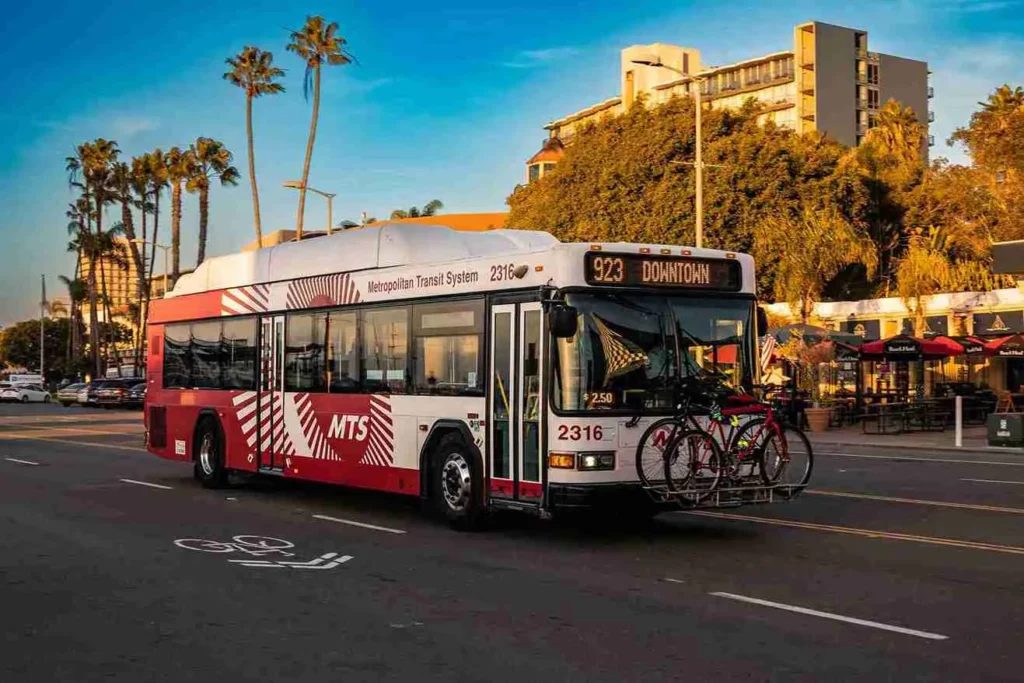
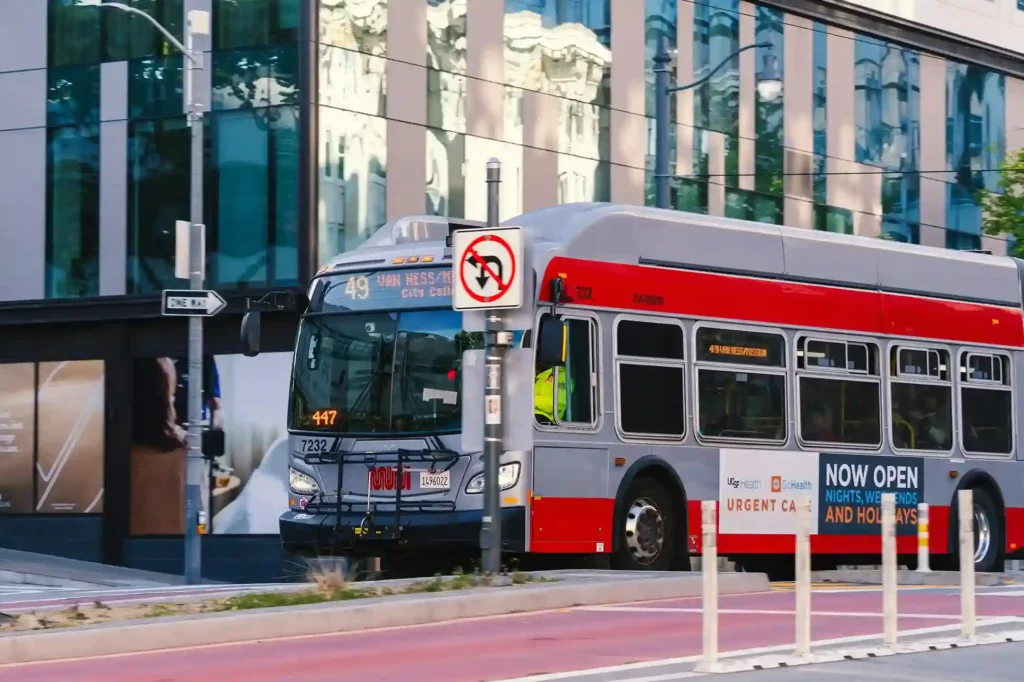
The San Diego Metropolitan Transit System (MTS) operates an extensive fleet of buses and trolleys across the city and surrounding suburbs. Collisions involving MTS vehicles may result from driver negligence, faulty signals, inadequate training, or poor vehicle maintenance. As a public entity, MTS is subject to California’s government claims process, which includes strict filing deadlines and procedural requirements. Injury claims often involve multiple parties and require a thorough investigation of surveillance footage, maintenance logs, and route safety practices.
The NCTD’s BREEZE buses serve communities in North San Diego County, including Vista, Oceanside, Carlsbad, and Escondido. Accidents involving BREEZE buses can stem from distracted driving, failure to yield, or hazardous road conditions. Because NCTD is a government agency, injured passengers must follow specific rules under the California Tort Claims Act to preserve their right to compensation. These cases frequently involve evaluating operator history, mechanical upkeep, and compliance with transit safety standards.
Tour buses traveling between San Diego and Mexico, including those offering day trips to Baja California, pose unique risks and legal complexities. Crashes may be caused by overworked drivers, unfamiliar routes, or inadequate vehicle inspections—especially when crossing international boundaries. Depending on where the bus is registered and which company operates it, victims may need to navigate both U.S. and foreign insurance systems, jurisdictional issues, and language barriers. Our firm can help determine which entities are responsible and pursue claims against tour operators, travel agencies, or third-party maintenance contractors.
Airport shuttle services—whether privately operated or contracted by hotels, car rental companies, or airlines—play a vital role in moving travelers to and from SAN. When these shuttles are involved in accidents, causes may include reckless driving, tight scheduling, or vehicle defects. Passengers, pedestrians, or other motorists injured in these crashes may be eligible to file claims against transportation providers or parent companies. Because shuttle services may fall under different insurance policies and contractual arrangements, a detailed investigation is crucial to identifying liable parties.
Identifying the cause of a bus crash is essential to proving fault and securing financial recovery. Below are some of the most common causes of bus-related accidents in the San Diego area:
Operators must remain attentive while driving through San Diego’s busy roads and freeways. Texting, eating, or becoming distracted by passengers can lead to dangerous accidents. Even momentary lapses in focus can put lives at risk.
Many San Diego transit drivers face long, demanding shifts—especially those running commuter or tourist-heavy routes. Fatigue can impair decision-making and response time. When employers fail to enforce adequate rest periods, they may be held responsible if tired driving causes a crash.
Bus drivers must be trained to handle large vehicles, ensure passenger safety, and respond to emergencies. Transit companies that skip thorough training or cut corners during hiring put public safety at risk.
Defective brakes, worn tires, steering problems, or broken doors can all lead to avoidable accidents. Routine maintenance is a legal requirement, but some operators ignore these duties—making them liable when accidents occur.
Poor road design, potholes, missing signage, or dim street lighting—particularly in underdeveloped or suburban areas—can increase the risk of accidents. While drivers must remain cautious, city or county agencies may also be at fault for failing to maintain safe infrastructure.
Other motorists who drive aggressively, speed, or cut into bus lanes can trigger serious collisions. Pinpointing the at-fault party may require expert analysis, accident reconstruction, and eyewitness statements.
Several parties may be legally responsible for a bus accident in San Diego. A complete legal investigation can help establish fault and maximize your recovery:
Drivers may be liable if their reckless actions—such as speeding, texting, or ignoring traffic rules—led to the crash. This includes operators of MTS buses, school buses, or private charters.
Public entities like MTS or private companies are required to ensure their drivers are competent and their buses are roadworthy. Failing to meet these obligations could be considered negligence.
If bad road conditions, faulty traffic signals, or poorly designed intersections contributed to the incident, government entities may bear some responsibility. These claims must follow strict legal steps under the California Tort Claims Act.
If the accident was caused by a defective part—such as brake failure or steering malfunction—manufacturers or repair providers could be held accountable. Expert technical analysis is often required to support these cases.
If your accident involved an MTS or NCTD-operated bus, pursuing a claim means navigating California’s government claims process. This process has special rules and shortened deadlines.
Victims must file a government claim within six months of the accident, as mandated by the California Government Claims Act. Missing this deadline could mean losing the right to compensation entirely.
Claims must include key information: the date, time, location, type of injury, and the compensation sought. Incomplete or vague submissions can delay or jeopardize your case. Supporting evidence—like medical reports, photographs, and witness statements—can make your claim stronger.
Once submitted, the agency has 45 days to respond. If they deny or fail to respond, you may then file a formal lawsuit. Carefully tracking every deadline is crucial to protecting your legal rights.
Filing a claim against a public agency like MTS is a complex process that requires deep legal knowledge. An experienced San Diego bus accident lawyer can guide you through the steps, gather evidence, and communicate with the agency or its insurers. These cases often involve multiple parties—such as third-party drivers or maintenance crews—so legal experience can make a major difference in the outcome.
Because of their massive size, capacity for numerous passengers, and lack of standard safety devices like seatbelts, bus crashes in San Diego often result in serious and wide-ranging injuries. These don’t just impact passengers—drivers, cyclists, and pedestrians are also frequently harmed, especially in congested areas like Downtown San Diego, Mission Valley, or Chula Vista.
Sudden impacts or abrupt stops can throw unrestrained passengers forward or sideways, resulting in neck injuries, whiplash, or muscle damage. Those standing or sitting without restraints on MTS buses or NCTD BREEZE routes are especially at risk. Because these injuries can take hours or days to appear, prompt medical attention is critical—for both your well-being and any future legal claim.
During a crash, a rider might strike windows, poles, or seatbacks, leading to concussions or traumatic brain injuries (TBIs). Even a mild blow to the head can affect memory, concentration, or mood. Long-term treatment and neurological evaluations may be necessary depending on severity.
Back and spinal cord injuries can be debilitating. Victims may suffer from herniated discs, fractured vertebrae, or in severe cases, permanent paralysis. These injuries often involve intensive care, surgery, and long-term rehabilitation—and may lead to significant life changes and ongoing disability.
High-speed bus collisions or rollover incidents can cause broken arms, legs, ribs, or hips. Shattered glass or twisted metal can also result in deep cuts and puncture wounds. Treatment often includes surgery, extended recovery periods, and, in some cases, lasting physical limitations or scarring.
Survivors of bus collisions in San Diego frequently deal with emotional distress—like anxiety, panic attacks, or PTSD. This can affect work, relationships, and quality of life. Mental health care and therapy are often essential parts of the recovery process.
The aftermath of a San Diego bus crash can be chaotic. Your decisions in the first moments are crucial for your safety, your case, and your recovery.
Even if you think your injuries are minor, seek medical care right away. Conditions like internal trauma or whiplash may not appear immediately. Timely treatment ensures your injuries are documented and connected to the crash.
Call 911 to alert emergency services. Make sure an official report is filed, whether the accident involved an MTS bus, NCTD BREEZE bus, cross-border tour bus, or SAN airport shuttle. This documentation is vital for insurance and legal claims.
If it’s safe, take photos of the bus, road conditions, your injuries, and surrounding vehicles. Get contact info from fellow passengers or witnesses—these firsthand accounts can help prove liability later.
Transit agencies and insurers may reach out quickly. Avoid making recorded statements or signing documents before consulting an attorney. Even a simple comment could be used against your claim.
An attorney experienced in San Diego transit cases can help identify responsible parties and guide you through the legal process. Cases involving MTS, NCTD, or airport shuttles often follow different legal procedures with tight deadlines.
Working with a lawyer who knows the ins and outs of public transit claims in San Diego can make all the difference. These cases typically involve unique rules, government immunity defenses, and aggressive legal teams.
A skilled attorney will analyze every detail—examining bus driver records, maintenance logs, police reports, and camera footage from the MTS or NCTD system. They may also bring in experts to reconstruct the crash and pinpoint technical failures.
Filing a claim against a public entity like MTS or NCTD involves specific legal requirements and strict timelines. Your lawyer will handle paperwork, meet deadlines, and communicate with city or county agencies on your behalf.
A bus crash lawyer will calculate all your damages, including hospital bills, therapy costs, lost earnings, and emotional distress. If the transit agency or its insurer offers less than what you’re owed, they’ll negotiate—or fight for more.
If a settlement can’t be reached, your attorney will be prepared to present your case in court—using evidence, expert witnesses, and trial strategies to pursue the justice and compensation you deserve.
To succeed in a bus injury claim, strong supporting evidence is essential. The more clearly your injuries and losses are linked to the accident, the stronger your case.
Official accident reports from SDPD or CHP, along with MTS or NCTD incident logs, help establish fault. Eyewitness statements from riders, drivers, or pedestrians can offer important perspectives.
Photographs of the scene, bus damage, road conditions, and injuries are powerful tools. Many buses have onboard surveillance systems. Nearby security cameras, cell phone footage, or dashcams may also provide critical proof.
Doctors’ notes, test results, prescriptions, and therapy records are key to showing how the accident impacted your health. Follow-up care and consistent appointments demonstrate the severity and persistence of your injuries.
Professionals like accident reconstructionists, physicians, and vocational experts may be brought in to support your case—explaining what caused the crash or how your life has been affected.
If you were hurt in a San Diego-area bus crash—whether on an MTS bus, NCTD BREEZE line, cross-border shuttle, or airport van—you may qualify for compensation based on your injuries and financial losses.
You can seek reimbursement for ER visits, surgeries, therapy, prescriptions, and long-term care needs. The more serious your injuries, the more significant your medical compensation could be.
If your injuries prevented you from working, you may be able to recover lost wages. If your earning ability is permanently reduced, you could also receive compensation for future lost income.
These damages account for physical pain, emotional trauma, and lifestyle disruption. PTSD, chronic pain, or loss of enjoyment in daily life can all be factors in this category.
If you lost personal belongings in the crash—such as a phone, laptop, or bike—you can seek reimbursement. You may also recover out-of-pocket expenses for transportation, home care, or adaptive equipment.
Each case is different, but certain factors help determine what your claim may be worth. A personal injury lawyer can give you a better estimate after reviewing your situation.
Severe injuries—like spinal damage, brain trauma, or internal bleeding—often lead to higher compensation because of the extensive care required. Less serious injuries tend to result in smaller awards.
If your injury affects your independence, mobility, or ability to work, your compensation may increase. Long-term disability or disfigurement often carry greater damages.
If MTS, NCTD, or the shuttle operator was clearly responsible, your case will likely be stronger. However, under California’s comparative fault system, shared responsibility can reduce your payout.
Claims against public agencies may be subject to statutory limits. Your lawyer will examine all available insurance policies—including third-party drivers or contractors—to pursue full recovery.
Acting quickly is essential. If you miss the filing window, you could lose the right to seek compensation.
If the crash involved a private shuttle, charter bus, or non-government entity, you generally have two years from the accident to file a personal injury lawsuit.
If MTS, NCTD, or a city-run airport shuttle was involved, California law gives you only six months to file a government claim. If it’s denied, you typically have another six months to sue.
Certain situations—like injuries to minors, cognitive impairments, or delayed symptoms—may allow for limited extensions. An attorney can determine if these apply and make sure all deadlines are met.
If you’ve been involved in a bus accident in San Diego, RMD Law is ready to offer reliable legal advice and to fight for the compensation you deserve. Get in touch with us for a complimentary evaluation of your case.
Phone: (949) 528-4853
To arrange your consultation swiftly, please visit our Contact Us page.
San Diego offers a vibrant mix of attractions and activities, from beautiful coastlines to diverse urban centers. Whether you’re a resident or a visitor, San Diego provides abundant exploration opportunities.
From beautiful natural landscapes and outdoor adventures to world-class attractions and a thriving food and arts scene, San Diego provides endless chances to explore, savor, and create unforgettable experiences.
If you sustained injuries in a public transit incident within San Diego due to another party’s negligent conduct—such as an inattentive operator, hazardous road conditions, or defective vehicle components—you might have grounds to pursue a personal injury claim under California statutes. A proficient legal representative will assess several crucial elements, including:
California adheres to a comparative fault framework, meaning you can still seek damages even if you bear some accountability for the incident.
Absolutely. Public transit mishaps in San Diego frequently entail not only physical wounds but also emotional and psychological distress that can profoundly affect your existence.
San Diego families rely on our firm to manage public transportation accident claims, a trust we honor with dedication and care. Here’s what they’ve shared:
Visit our blog for expert insights, practical advice, and legal strategies to help you seek fair compensation:

So, why is driving slower than other vehicles just as – or more – dangerous as speeding? Let’s break down why driving slower isn’t safe.


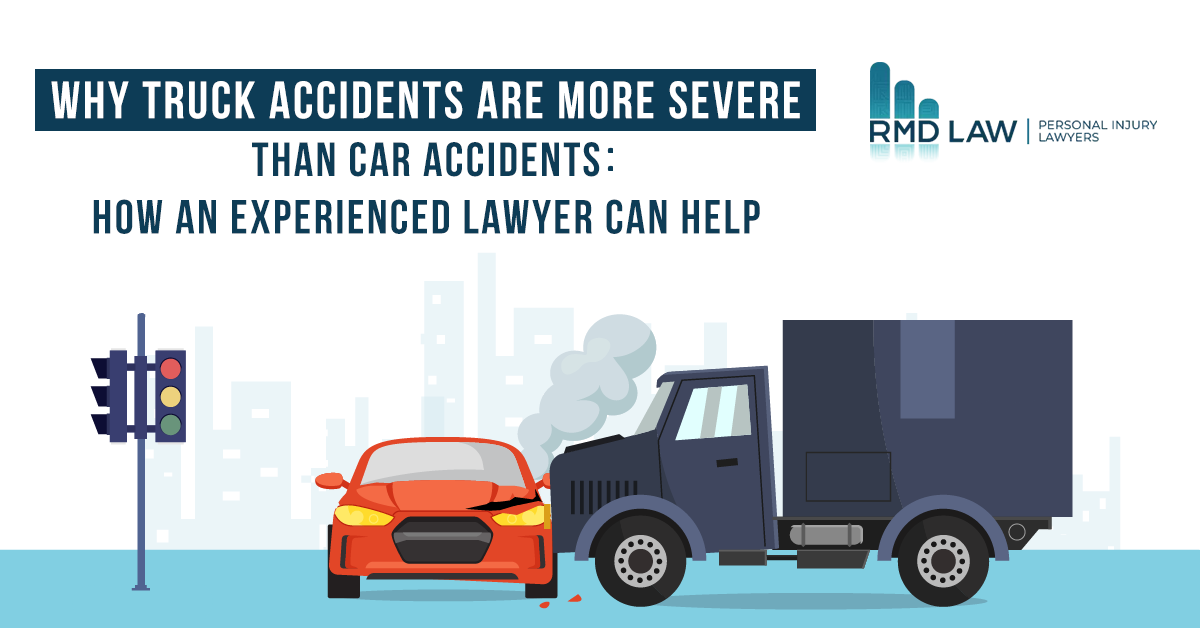
Trucking accidents are among the most serious and complex incidents on our highways, often causing severe injuries, fatalities, and significant financial burdens. Learn how an experienced California truck accident lawyer – like those at RMD Law – can fight to get victims the compensation they deserve.

From fender benders to severe injury crashes, Orange County car accidents often result in significant physical and emotional trauma, highlighting the need for appropriate medical and legal support.

Over $250,000,000 total recent personal injury wins for our clients. Our dedicated personal injury lawyers are eager to fight for you.
RMD Law found an insurance code violation by the defense insurance company in a dog bite injury case. With smart lawyering, we used the violation to argue that the $100,000 policy limits no longer applied.
The insurance company wrongfully refused to pay our client the $100k policy limit in a rollover auto accident. RMD Law refused to take no for an answer, and filed a lawsuit alleging bad faith, ultimately winning millions for our deserving client.
Confidential bad faith settlement – a negligent driver t-boned our client at a red light resulting in severe spinal injuries. The defendant’s insurance company unreasonably refused to pay the $100K policy limit. RMD Law filed a lawsuit seeking the true value of the case. Policy was opened, and the client settled for an amount vastly higher than the original limits.
Feel free to get in touch with us and we will get back to you as soon as possible
Aria is a member of the prestigious Multi-Million Dollar Advocates Forum®. He speaks English, Farsi, and Spanish.
Nicole has settled hundreds of personal injuries claims, known for her professional, honest, and caring approach.
John is a former defense lawyer turned award-winning personal injury lawyer. He speaks English and Farsi.
Associate Attorney Yen Quach started work at RMD Law in 2017 as a paralegal. Injured clients seeking justice from insurance companies can do no better than Yen.
Shabnam’s passion for the law began with a simple goal: to help people who may not know their rights and stand up for those who need a strong advocate on their side.
We care about your recovery. We stake our reputation on it.